Table of Contents
Language is our mirror and our maker—a thread weaving through every human life. It’s not just words; it’s how we know ourselves, reach others, and wrestle with our limits. Philosophers ponder its origins, linguists map its forms, scientists measure its sounds—but no one grasps it whole. Each view is a shard of truth, sharp yet incomplete. Still, we speak, and in speaking, we become. Language isn’t a tool we wield; it’s the air we breathe, the pulse of our existence, a universal gift fractured into countless tongues by time and place. Through it, we find unity and division, shaped by the world we inhabit.
The Power of Speech
Imagine a world without words—silent, dim, unformed. Speech changes that. It’s our most intricate way to connect, a bridge from mind to mind, rich with nuance. Through it, we discover who we are, waking to our own consciousness. A thought unspoken is a shadow; a word gives it shape, light, weight. Speech lets us mark our edges—where we end, where others begin—drawing lines of self in the chaos of life.
This isn’t abstract; it’s real, observable. We see it in a child’s first babble, a debate’s heat, a poem’s sigh. Yet its roots stay hidden, draped in mystery. Where did it start? A single tongue, shattered by pride or chance? That dream—of one mother language—flickers in myths of lost unity, but the truth lies simpler: we all speak. That act, common to every human, sets us apart from beasts. It’s our spark, our first great leap, turning thought into sound, chaos into creation.
A Universal Gift, A Thousand Forms
The longing for a universal language burns bright—a shared voice to heal old rifts. Stories of scattered tribes fuel that hope, but reality roots in the now: speech itself is the universal. Every culture, every soul, wields it—not in one form, but many. That ability—to voice thought—is the thread tying us together. Yet from that unity springs difference. Each group bends speech to its own tune, splitting into vast families of tongues, each with a character that shapes how its speakers think.
Why the split? Choices, early and deep, set the course. One way of speaking favors certain ideas; another twists them differently. These paths mark the great linguistic tribes—broad groups defined not just by words, but by the habits of mind they breed. Within them, variation blooms wilder still. Every speaker tweaks the pattern, a personal stamp on a shared code. Language isn’t static; it’s alive, shifting with each voice, each moment.
Chained to the Air
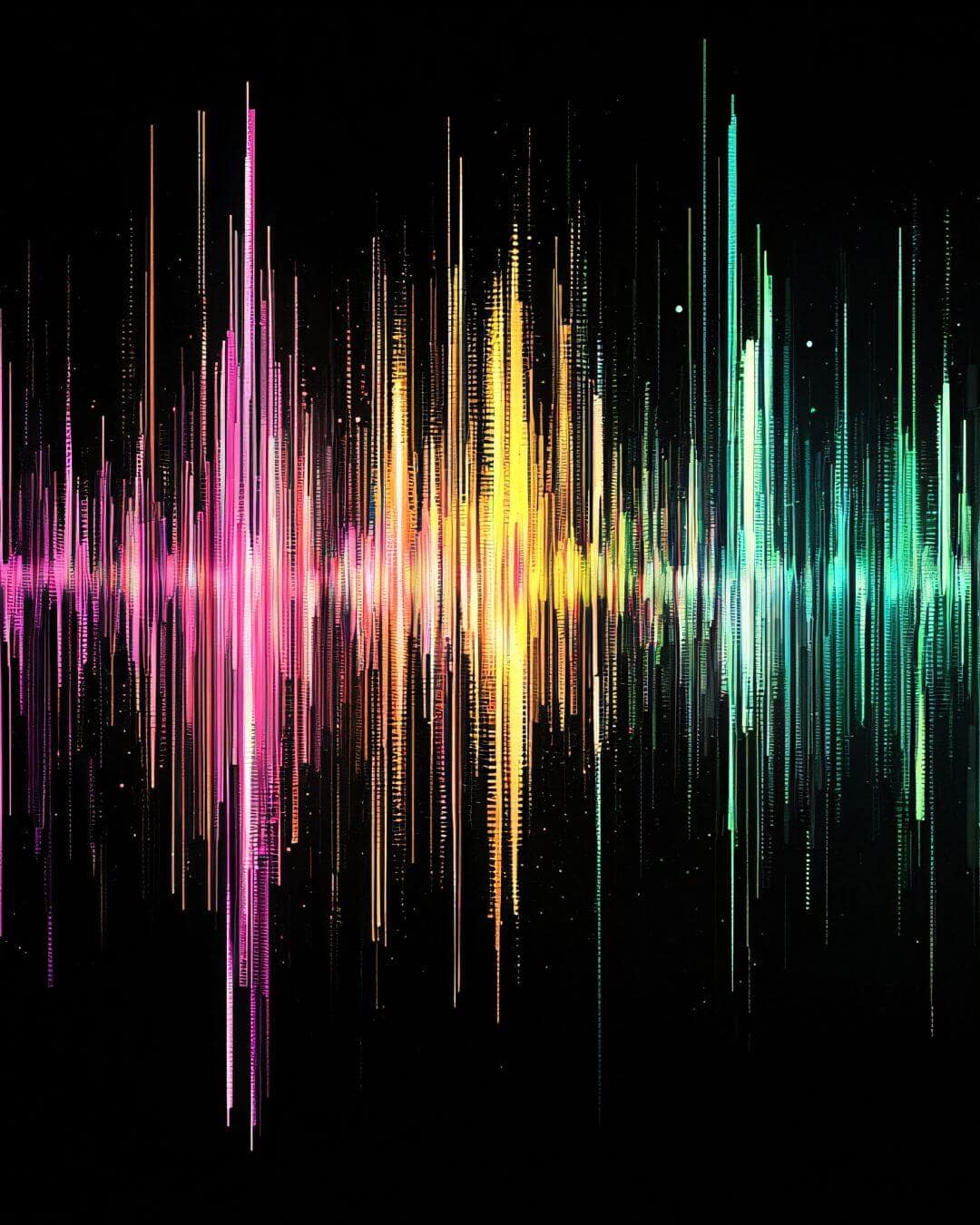
We’re bound to our world—slaves, in a way, to what surrounds us. Most of all, to air. It’s life’s breath, yes, but also speech’s medium. Forget tongue or throat—air is the true instrument. We stir it, sculpt it, send it rippling with sound. Our voices ride its waves, exploiting its quirks. Air isn’t blank; it has traits—density, dampness, warmth—that change how sound travels. We’ve mastered this, bending vibrations to our will, but we’re limited by what’s there. A dry plain carries a shout differently than a wet forest.
Feel it yourself: in a vast, echoing space, your voice booms, urging you to sing. In a muffled room, it falters, and so do you. Air’s mood shapes ours. A sound’s mix—its highs and lows—shifts with the medium. The same word, spoken in different places, lands differently on the ear. This isn’t trivial; it’s why tongues diverge. We tune our hearing to our corner of the world, leaning into its natural hum. Where we can’t adapt, speech fails—silence or deafness takes hold. Our voices, our ears, our languages—they’re all children of the air.
From Thought to Earth and Back
Language starts high—thought soaring free—then crashes down to mechanics. It’s born in the mind, a spark of intent, but lives through sound, bouncing off the world. Shot into the air, it strikes matter—walls, trees, us—and echoes back. That rebound isn’t just physics; it’s poetry. The word, made real, returns to its source, enriched. This dance—mind to matter, sound to sense—ties us to the earth yet lifts us beyond it.
Some see a deeper root: a primal sound igniting creation, a voice before the void. Matter, they say, sprang from that vibration, and every word we speak stirs its echo. Whether myth or truth, it fits—language feels eternal, a force beyond us. Each syllable we utter taps that resonance, waking something ancient in the stuff around us. It’s not just communication; it’s a return, a loop from origin to now.
Why It Matters
Language is us—our mark, our bond, our limit. It’s how we think, how we reach, how we stand apart. Its forms shift with the air, the land, the people, but its core stays fixed: a human act, universal yet personal. We’ll never pin its start—too deep, too dark—but we live its story every day. In every word, we remake ourselves, tied to the world yet dreaming past it. It’s not just sound; it’s identity, etched in the breath we share.
Conclusion
Language is our gift and our chain—born of thought, breathed through air, shaped by earth. It’s one and many, a universal pulse splintered into countless voices. No single tongue unites us, but the act of speaking does, threading through every life. From mind to matter, it binds us to our world, its echoes hinting at something vast. We speak, we hear, we become—language is us, in all our messy, resonant glory.