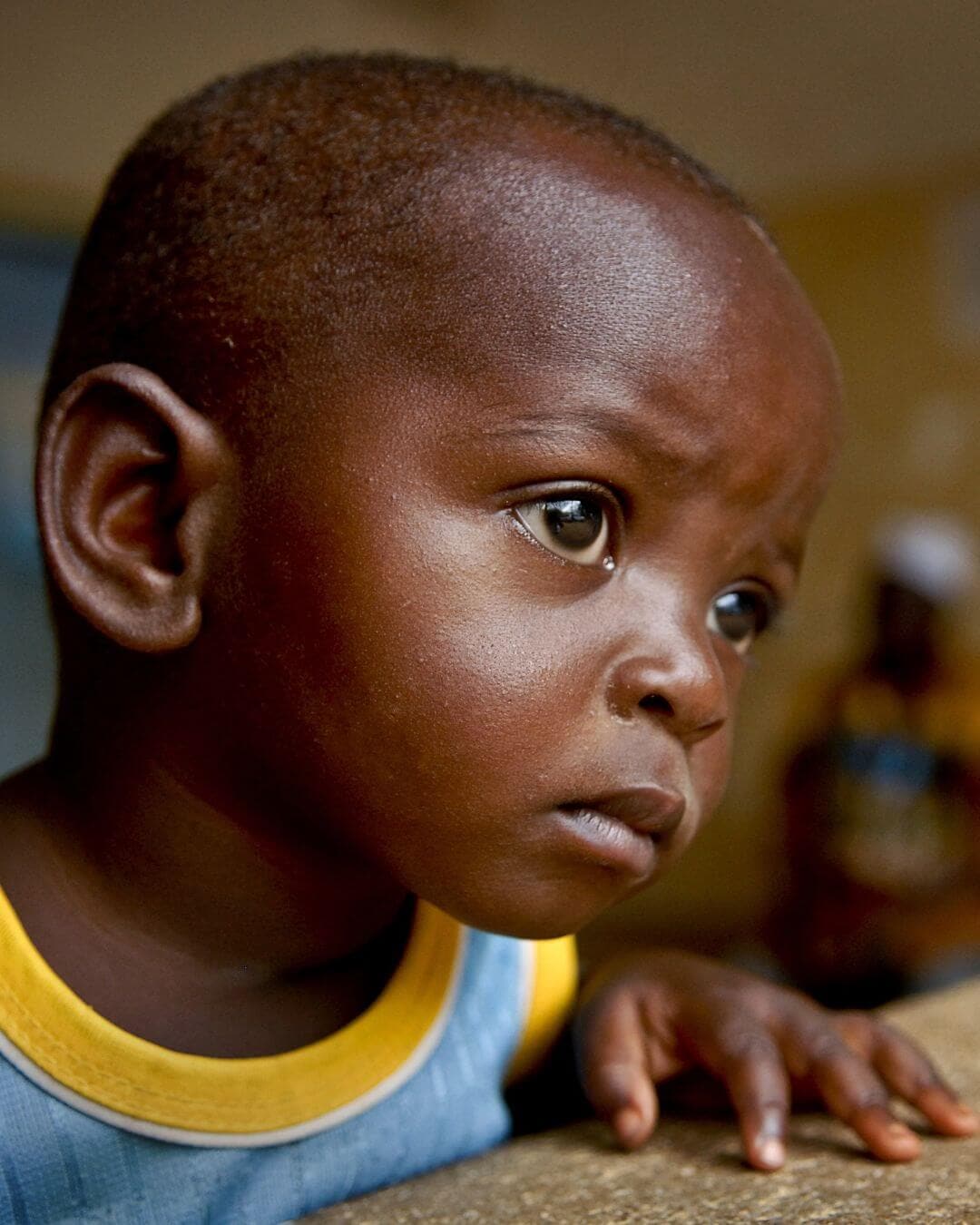
Pain doesn’t always start where we think. In Making Sense of Suffering (1991), Swiss therapist J. Konrad Stettbacher unpacks a truth: early trauma—those quiet injuries to a child’s core—ripples into adulthood, driving fear, rage, and even physical scars. Repressing it doesn’t bury it; it festers, twisting lives with anxiety, violence, or a numbed heart. But there’s a way out, he argues—not through experts, but within. Stettbacher argues that by rediscovering buried feelings, we can rebuild our past and meet our primal needs. It’s a bold promise from a book aimed at parents, helpers, and survivors alike: freedom from suffering, found alone, through the echoes of what we once felt.
The Lasting Echo of Early Hurt
Trauma isn’t loud at first—it’s a hungry infant, screaming for milk, met with a mother’s frown and a bottle too hot to bear. Stettbacher paints this scene in Making Sense of Suffering (pp. 33-34): a child, tears streaming, chokes down scalding liquid, its mouth burned, its trust singed. This isn’t just a bad moment—it’s an injury, etched into body and soul. The heat doesn’t soothe; it overstimulates, toughening the child against its own nature. That raised tolerance might later invite smoking or other habits, a slow poison born from a mother’s haste instead of comfort.
The damage doubles. Physically, it scars—mucous membranes take a hit, setting off latent overreactions that strain the system. Emotionally, it’s a memory of a grim face, an accusing stare tied to every future need. Hunger turns to fear, a reflex to flee what should feel safe. Stettbacher calls this a blow to the child’s integrity—its first and second levels, body and feeling, warped by the very person meant to protect. It’s not rare; it can be a root of distress or rage that lingers unseen.
Suffering’s Long Shadow
What starts small grows heavy. In the book (p. 33), Stettbacher lists the toll: fear and exhaustion driving us, tantrums or despair hounding us, obedience or resignation boxing us in. We’re compelled—unconsciously—to follow, serve, even “love” what harms, while real love slips away. Rage flares, violence simmers, or we shut down, unable to feel. Some turn obsessive; others ache physically, the body crying what the mind won’t. It’s not random—it’s repression, a child’s survival trick turned lifelong chain.
This isn’t abstract. That burned infant, toughened too soon, might grow numb to needs—or lash out, distrust etched deep. The book frames it as a loss of freedom: we’re not shaping our lives but dodging old pain. Parents see it in tantrums, psychologists in patterns, survivors in their own scars. Stettbacher’s point is sharp: early wounds don’t fade—they steer, unseen, until we face them.
Stettbacher’s Method: Feeling
Here’s his twist: he claims this work can be done alone. Making Sense of Suffering isn’t a call for therapy chairs; it presents itself as a self-help guide. Stettbacher urges us to dig up those feelings—the real ones, locked away—and with them, the truth of our childhoods. Reconstruct the story, he says: that hot bottle, that grim look, the fear it bred. Feel it, not just think it. In that act, we find our primal needs—comfort, safety, love—and, in his account, start to heal. It’s not quick or easy, but it’s ours.
The payoff’s clear (p. 33): no more blind compulsion—no despair, no hate, no exhaustion’s leash. Tantrums fade, obedience lifts, fear loosens its grip. We shape our lives, freely, loving what’s worth it—not what’s forced. It’s a map for anyone—parents decoding a child’s cries, helpers spotting roots, survivors seeking peace. The book insists: professionals aren’t the key; your feelings are. That infant’s pain, once felt fully, loses its hold, trading burden for clarity.
Why Stettbacher Thinks It Works
Stettbacher’s logic is raw: trauma’s power lies in hiding. Repression—shoving that hot milk memory down—keeps it alive, a ghost pulling strings. Bringing it up, feeling it, cuts those ties. The burned mouth isn’t just a story; it’s a clue to why need sparks panic, why love feels risky. Rebuild that history, and the system unwinds—no overreactions, no constant fear. The body eases, the soul breathes. It’s not about toughening up—it’s un-toughening, realigning with what’s natural.
Take that infant: its raised heat threshold warped it—maybe to smoking, maybe to numbness. Facing it reverses that. The book’s example isn’t lone; it’s a pattern—caregivers failing needs, seeding damage. For him, the answer lies not in forgetting but in remembering, right down to the tears. Stettbacher bets on this: we’re wired to feel, and feeling rights the wrong.
Why It Matters
This isn’t one life’s tale—it’s a lens on many. Early trauma’s fallout—fear, rage, illness—touches parents, kids, helpers, survivors. Making Sense of Suffering matters because it hands power back. In Stettbacher’s view: just you and your past. It’s for the mother who rushed, the child who burned, the adult who wonders why love stings. Freedom’s the stake: to live, not just endure, unshackled from old wounds.
Conclusion
Making Sense of Suffering by J. Konrad Stettbacher lays bare a truth: early trauma—like a hot bottle forced on a hungry child—shapes a life of pain, from fear to fury. But it’s not the end. Through feeling, not fleeing, we reclaim our stories, our needs, our selves. This 1991 gem offers no quick fix—just a solo path that, in the author’s view, leads to the freedom to love and live as we should. It’s raw, real, and ours to claim.