Table of Contents
Language leaves humanity breathless—a gift so vast it feels both miraculous and innate. We stand in awe, yet lean on it like an old friend, rarely pausing to wonder at its roots or fragility. Through our ears, it flows in; through our voices, it pours out. Oral language, the crown of expression, dances with adaptability, a trait we scarcely question until silence looms. Could it vanish? We don’t entertain the thought, yet without it, our human essence dims. Here, we dive into this marvel—not all forms of expression, but the spoken word—and ponder its eternal riddle: Did language craft us, or did we craft language?
Language: Humanity’s Masterpiece
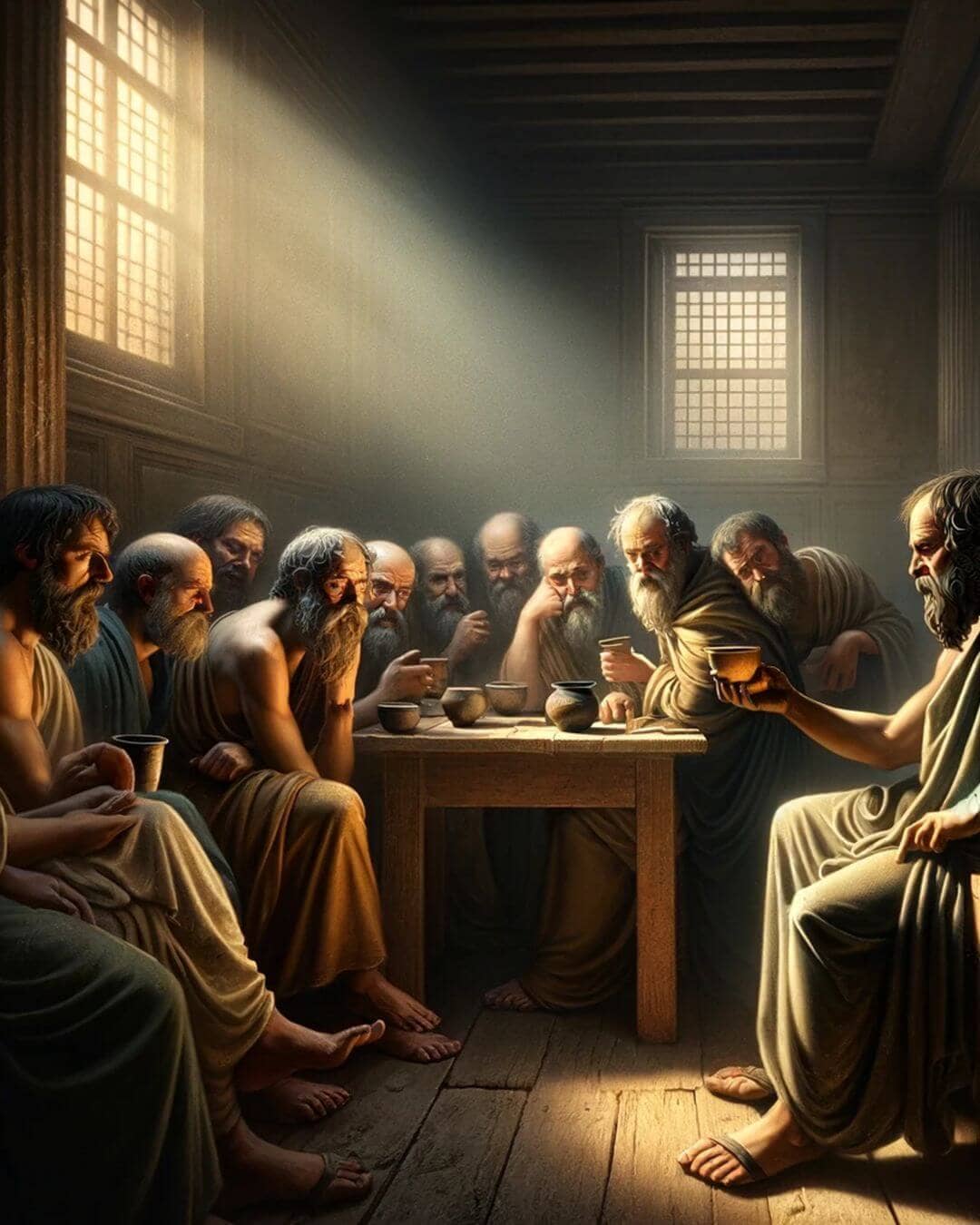
Imagine a solitary soul, voiceless, their thoughts locked within—without speech, their humanity frays. Language is our masterpiece, a bridge from mind to world, born from a primal urge to connect. It’s not a luxury; it’s a necessity, sparked by the need to share fleeting impressions, to glean wisdom from others, to knit families and tribes with words. This wasn’t a sudden leap—suppose an extraordinary twist of fate gifted us the sense to wield it. From grunts in caves to debates in halls, language sculpted us as we sculpted it. Each spoken phrase honed our minds, turning raw noise into refined thought, a cycle of creation where the ear played its silent, ceaseless part.
This isn’t mere mechanics. Words don’t float alone—they cradle thought. A whispered hope, a shouted command—each demands an idea behind it. Picture a child naming their world: “tree,” “sky,” “mother.” The ear catches these, feeding a brain that weaves meaning. Language and thought are twins, inseparable in their dance, a synergy the ancients might call Logos—a divine spark where Word and Thought ignite.
From Silence to Speech: The Ear’s Role
Language spans a vast arc, flanked by two silences. At one end, a mute figure crouches, their silence a shroud for ignorance, fearing speech might expose their limits. At the other, a sage sits in stillness, their language so refined it transcends words, merging with pure consciousness. Between these poles, we stride—our ears attuned to life’s hum, our voices crafting it into tales. The ear, once a sentinel for danger, became a gateway for speech. It heard the wolf’s howl turn to a hunter’s call, the wind’s sigh to a lover’s song.
This shift wasn’t solitary. In clans, language set rules—words shaped by collective norms, binding us yet freeing us. A storyteller’s rhythm, a leader’s decree—the ear absorbed these, stretching thought’s horizon. Limits hemmed us in, like a river’s banks guiding its flow, but within them, consciousness soared. Language became our ladder, each rung a word lifting us from instinct to insight, from animal grunts to human dreams.
Word as Creator: Echoes of the Cosmic
Words don’t just name—they conjure. Speak, and a thought takes wing; listen, and it reshapes you. This creative power, rooted in the ear’s ancient vigilance, lets us sculpt our world. A poet’s verse paints landscapes, a parent’s lullaby soothes fears—each sound a spark. Yet, this isn’t ours alone. Imagine a cosmic Word, existing before time, birthing the first Thought. That Word, immaterial and vast, ripples into our speech, our ears its earthly echo. Every utterance ties us to this primal force, a cell within a boundless whole.
This cosmic thread isn’t fantasy—it’s felt. When we speak, we externalize a pre-existing Word-Thought, a flicker of creation’s flame. A farmer naming crops, a philosopher pondering stars—the ear hears, the mind ignites, and we feel we’ve made something new. This isn’t raving; it’s revelation. Language mirrors a universal rhythm, guiding our will to live, our drive to connect, within the vast milieu that cradles us.
Expanding Consciousness
Daily, language grows—each conversation, each quiet musing, stretches our expression. A child’s chatter becomes a scholar’s treatise, a casual “hello” a heartfelt confession. The ear catches these shifts, fueling self-discovery. In groups, this expands—a marketplace buzz, a council’s debate—shaping us as we shape it. Social bonds set boundaries, rigid yet fertile, curbing freedom but birthing collective wisdom. The ear, ever-present, turns these exchanges into fuel for thought, lifting us toward a realm where words fade, and pure consciousness reigns.
This isn’t escape—it’s ascent. Language propels us beyond matter’s pull, where Word-Thought floats free. From a silent grunt to a meditative hush, it’s our springboard, reconciling the animal we were with the cosmic pulse we sense. Specialists—linguists, philosophers—probe this, their insights tinted by past paths, yet all converge on language’s enigma: a tool so human, yet so vast.
Conclusion
The ear and language weave a timeless tale—from silence to speech, instinct to cosmic thought. Between muteness and mastery, they lift us, turning sound into creation, noise into connection. We marvel, yet rest easy, our ears and voices echoing a Word older than us. Language isn’t just ours—it’s us, a bridge from the primal to the profound, whispering truths we’ll never fully hold.