Table of Contents
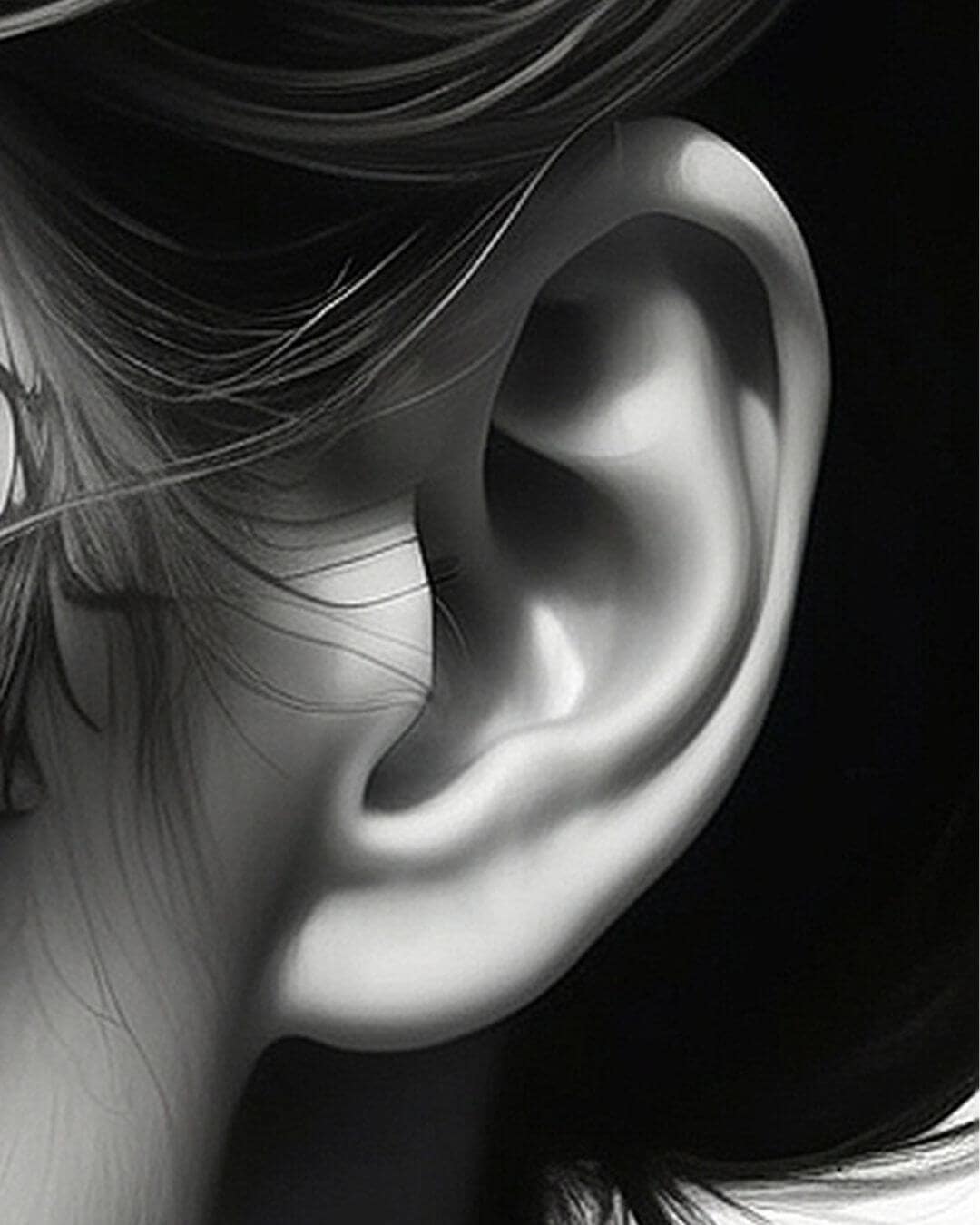
The ear’s delicate curve—a natural question mark—invites us to unravel its evolutionary tale. Far more than a simple sound-catcher, this complex organ weaves a story of adaptation, from embryonic whispers to the symphony of human speech. Through twin lenses of ontogenesis (individual development) and phylogenesis (species lineage), we see how the ear grew into a marvel, bridging survival and intellect.
Two Paths, One Journey
Imagine peering into the ear’s past through two windows: one tracing its growth in an embryo, the other charting its climb across species. Ontogenesis begins with the embryo, where the ear emerges not as a single unit but as a patchwork of parts—each layer of the early embryo contributing uniquely. Phylogenesis, meanwhile, maps this across time, linking fish to mammals in a chain of forms, each stage revealing the ear in action. Together, these paths don’t just coexist—they illuminate each other, showing how new functions layered onto old, crafting an organ as intricate as it is vital.
Anatomy Unveiled: A Three-Part Wonder
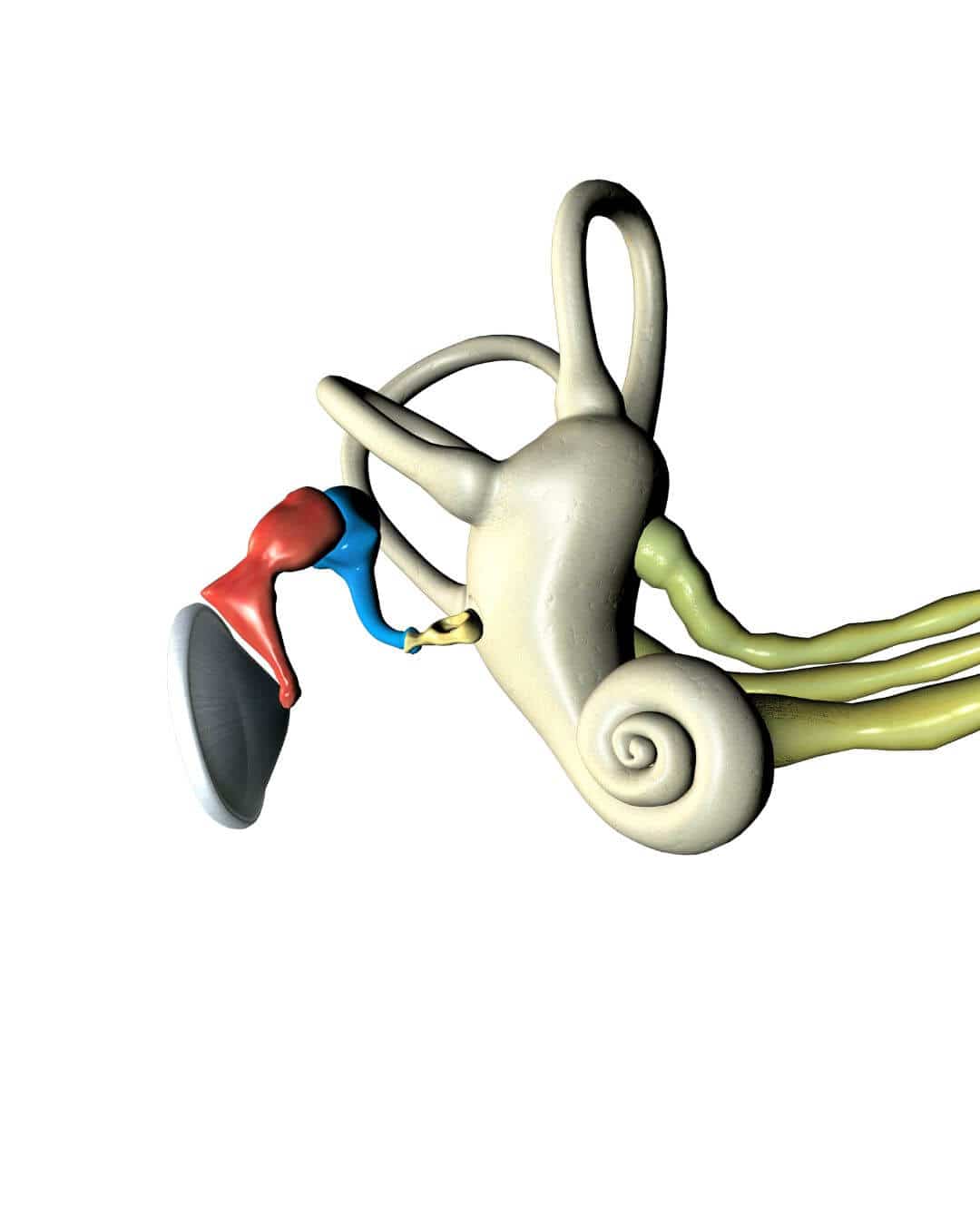
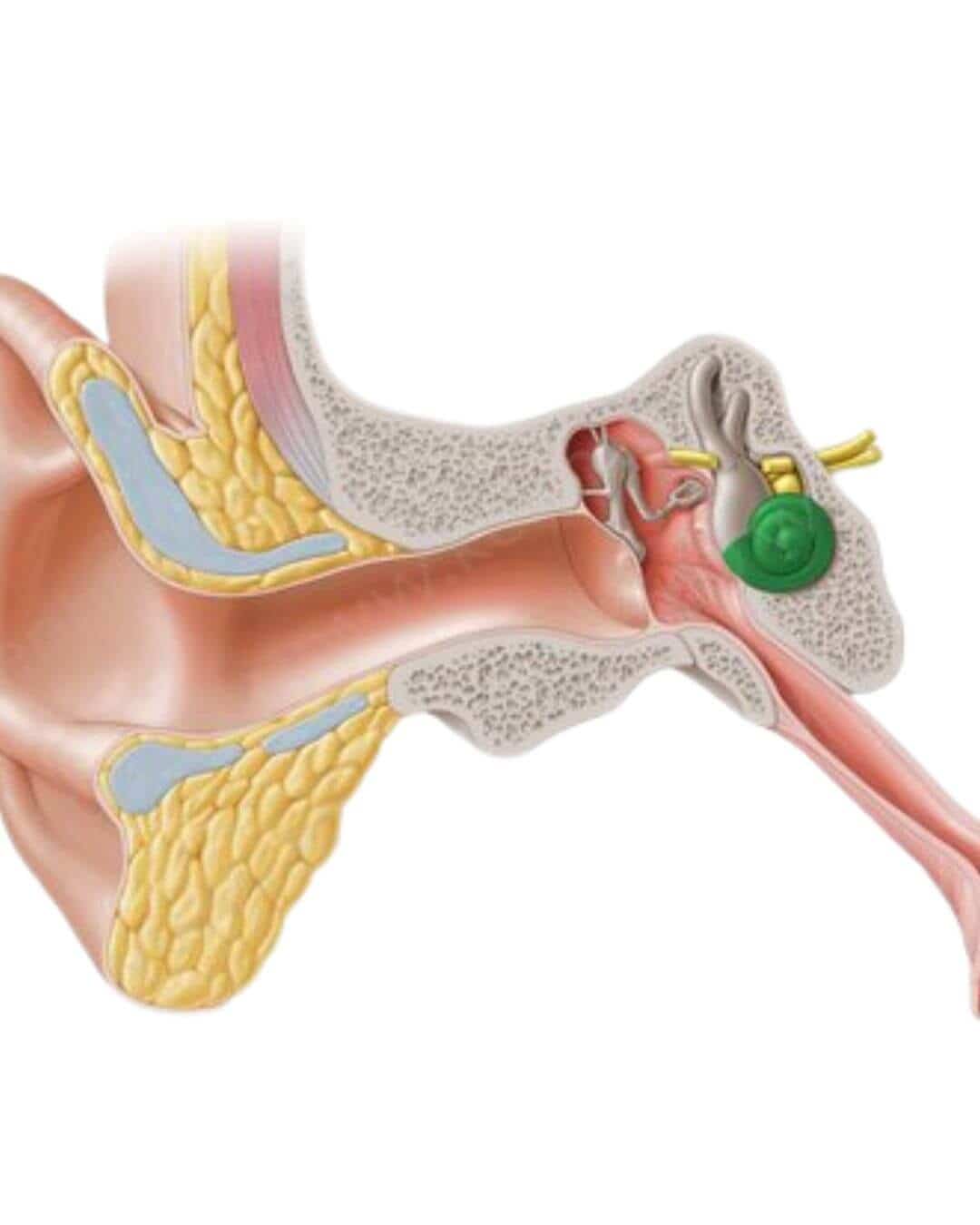
The ear’s structure is a testament to this evolution, split into three realms. The outer ear starts with the auricle, that visible flap, funneling sound to the eardrum—a taut membrane vibrating with every wave. Beneath lies the middle ear, a tiny chamber cradling the ossicles: hammer, anvil, and stirrup. These bones, strung by ligaments, dance between the eardrum and inner ear, amplifying sound with precision. The hammer embeds into the eardrum, the stirrup seals the inner ear’s gate—two miniature muscles fine-tuning their work.
Deepest is the inner ear, a labyrinth of complexity. The cochlea, a coiled marvel, turns vibrations into signals we hear, while fluid-filled spaces and membranes cradle this process. It’s no unified birth—each part springs from distinct embryonic layers: the outer from surface tissue, the middle from inner linings, the inner from an intermediate zone. This patchwork origin mirrors its evolutionary leaps, a mosaic honed over eons.
From Vibration to Voice
In primal seas, the ear began as a balance-keeper, sensing motion in water-bound creatures. A liquid-filled sac—the labyrinth—caught mechanical shifts, guiding fish through currents. As life crept onto land, this sac adapted, sprouting a cavity from an ancient gill slit. This became the middle ear, its eardrum stretched tight, its stirrup plugging a new window to the labyrinth. Across amphibians and reptiles, bones shifted—old jaw parts morphed into ossicles, a clever twist of nature’s opportunism.
By mammals, the ear gained its outer flair: a canal and pinna to sharpen sound’s capture. The labyrinth, now encased in bone, refined hearing with the cochlea’s spiral, filled with endolymph and perilymph—liquids echoing its aquatic roots. Each tweak, from eardrum to ossicles, built a bridge from raw vibration to nuanced sound, paving the way for speech.
Hearing Becomes Speech
This wasn’t just about survival—it was about connection. Early humans heard grunts, but the ear’s evolution turned them into words. Its three-part harmony—outer collection, middle amplification, inner translation—crafted a system precise enough for language. The cochlea decoded tones, the ossicles sharpened clarity, and the brain wove meaning. Speech didn’t just happen; it grew from the ear’s ability to listen, not just hear—a leap from instinct to intellect.
This complexity shaped us. Where fish felt motion, we crafted sentences. The ear’s labyrinth, once a balance tool, now fuels poetry and debate, its ancient chambers echoing with human thought. It’s a functional unity born of diverse origins, a testament to nature’s ingenuity.
Conclusion
The ear’s evolution—from embryonic fragments to a speech-enabling marvel—is a saga of adaptation. Its outer, middle, and inner realms, forged across species, turned sound into language, survival into society. Next time you hear a voice, consider the eons behind it—a journey from vibration to the words that bind us.