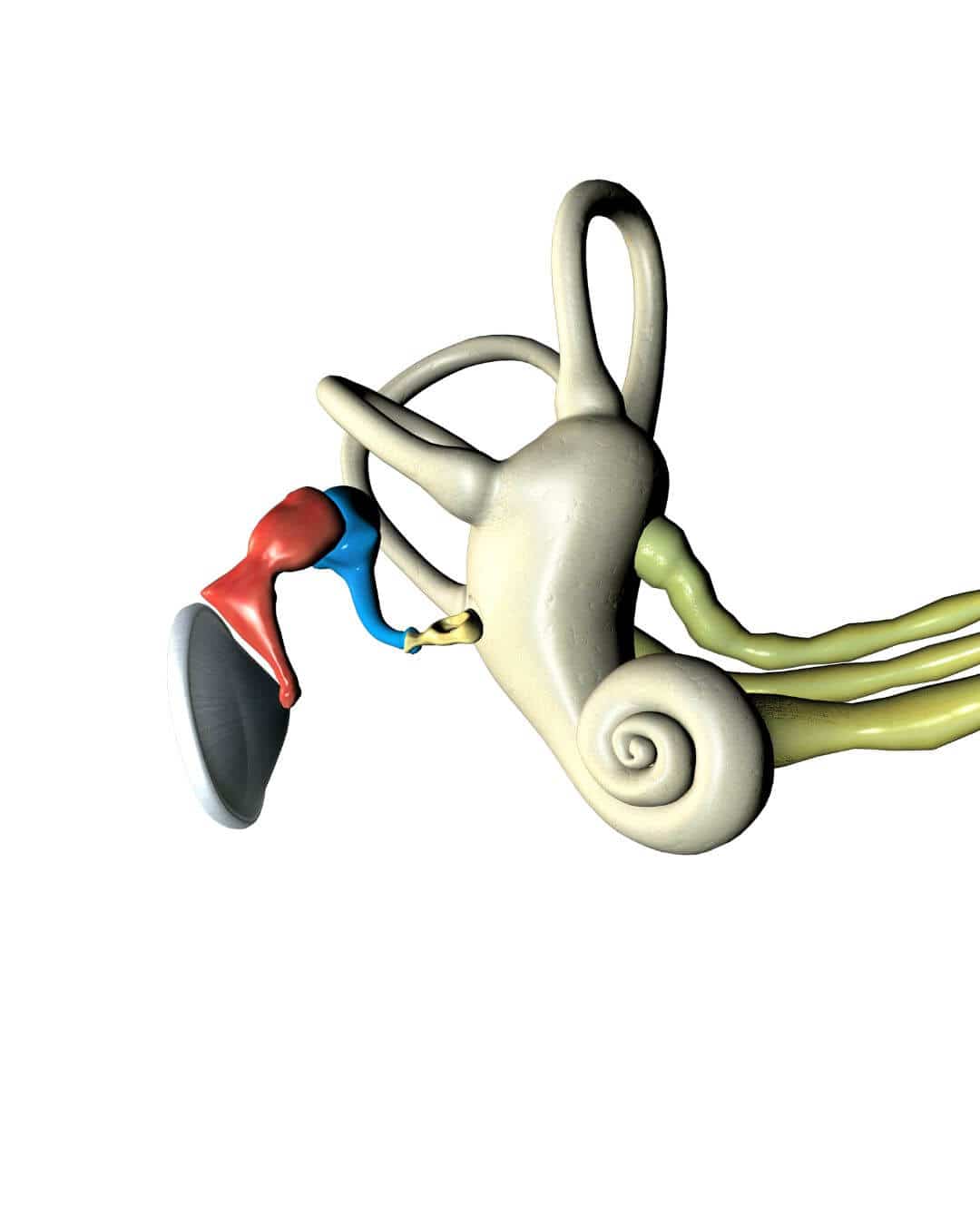
Nestled within the middle ear, three tiny bones—the hammer, anvil, and stirrup—form a delicate chain, bridging sound from the outside world to our inner hearing. Known as the ossicles, they’re more than mere anatomy; they’re a marvel of evolution, born from distinct embryonic roots that whisper tales of our development. This trio doesn’t just help us hear—it ties into the very expressions on our faces, revealing a deep functional unity.
The Ossicles: A Chain of Three
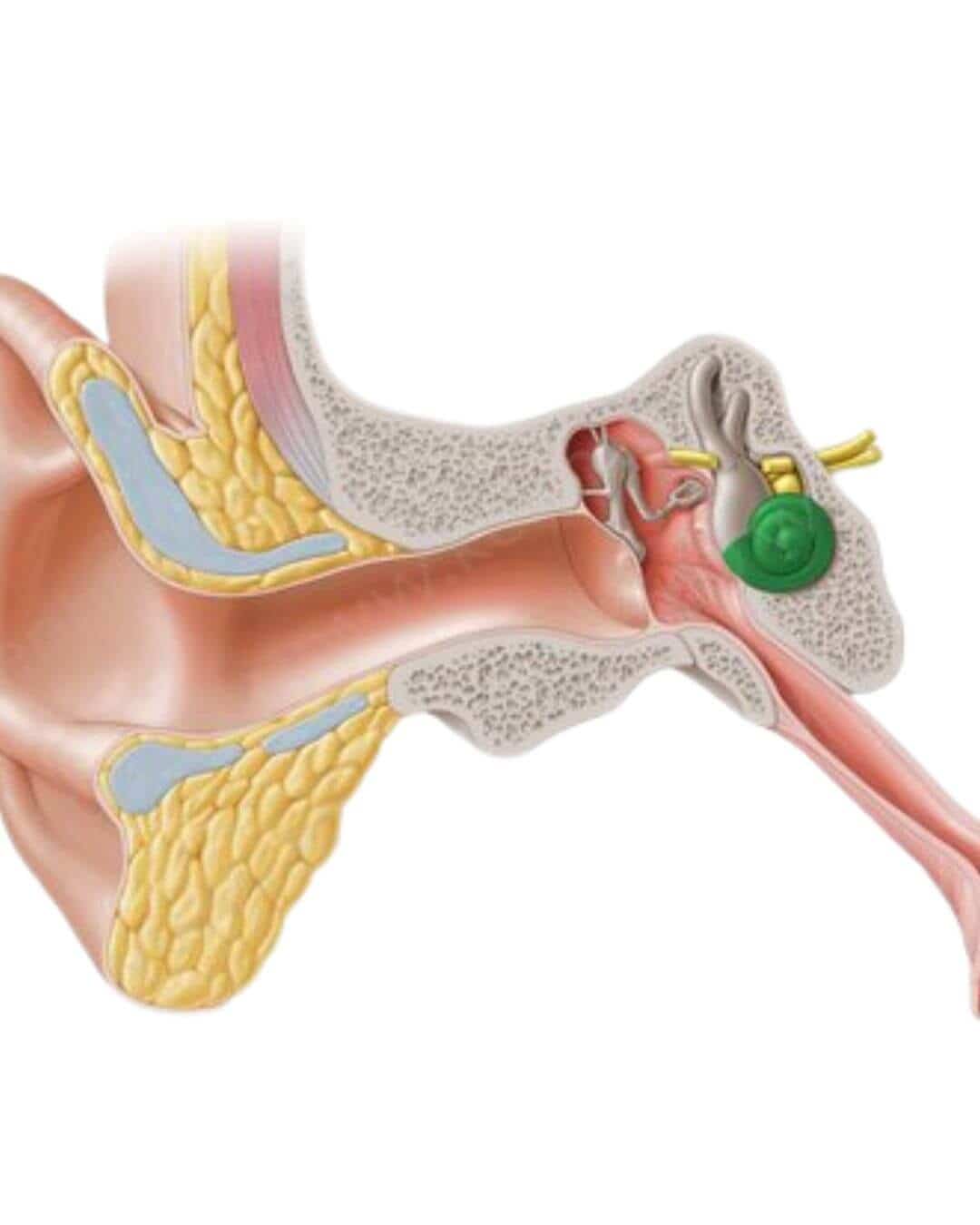
Picture the middle ear as a small, hidden chamber. Here, the ossicles sit in sequence: the hammer (malleus) touches the eardrum, passing vibrations to the anvil (incus), which hands them to the stirrup (stapes), nestled against the inner ear’s gateway. These aren’t just bones—they’re a relay team, amplifying and transmitting sound with precision. But their story begins long before they take shape, in the earliest stages of fetal life, where their origins diverge in a surprising twist.
Embryonic Beginnings: Two Paths Converge
The ossicles don’t share a single cradle. The hammer and anvil emerge from Meckel’s cartilage, a structure in the embryo’s first branchial arch—the same arch that sculpts the lower jaw. Meanwhile, the stirrup arises from Reichert’s cartilage in the second arch, a region tied to facial features. This split origin isn’t trivial—it’s a clue to their complexity. As the embryo unfolds, these cartilages morph, carving out the hammer and anvil as a pair, while the stirrup takes its own path, each shaped by separate forces in a choreography of growth.
This duality isn’t just structural—it’s functional. The hammer-anvil duo, or incudo-malleolar assembly, gets its blood and nerve supply from the mandibular nerve, part of the fifth cranial nerve, linked to jaw movement. The stirrup, or stapedial unit, answers to the facial nerve—the seventh cranial nerve—ruling facial expressions. These separate systems hint at why the ossicles react differently, each with its own role yet united in hearing.
From Cartilage to Connection
Meckel’s cartilage starts as a scaffold along the embryo’s head, supporting the first arch. Its front end builds the jaw, complete with muscles and nerves, while its rear crafts the hammer and anvil, embedding them into the eardrum’s fabric. Reichert’s cartilage, from the second arch, extends this facial story, rouging out the stirrup to plug the inner ear’s oval window. This isn’t random—evolution repurposed these arches, once gill supports in ancient fish, into tools for sound and speech.
The result? A middle ear tied to the face. The jaw’s heft, the face’s expressiveness, and the ear’s hearing form a single unit. Imagine a smile or a frown as you hear a voice—the ossicles play their part, subtly syncing with facial muscles (save the eyelids) to weave sound into expression.
Hearing and Beyond
This embryonic dance matters because it shapes how we hear. The hammer vibrates with the eardrum, the anvil passes it along, and the stirrup stirs the inner ear’s fluids—all born from distinct origins yet working as one. It’s not just mechanics; it’s a foundation for language. Early humans grunted, but the ossicles’ precision turned noise into words, linking mouth, face, and ear in a functional harmony. That synergy—jaw to speak, face to show, ear to catch—built communication, a legacy of cartilage turned bone.
Conclusion
The middle ear’s ossicles—hammer, anvil, stirrup—are more than tiny links; they’re evolutionary gems, forged from Meckel’s and Reichert’s cartilage into a trio that hears and connects. Their split origins reveal a unity of function, tying hearing to the face and speech. From fetal arches to modern voices, they whisper how we became who we are—listeners, speakers, expressers in one intricate breath.