Table of Contents
As Althea Hayton opens Chapter 1: “Yes—the history of man for the nine months preceding his birth would, probably, be far more interesting, and contain events of greater moment, than all three-score and ten years that follow it.”
This chapter chronicles the astonishing journey from conception to an 8-week embryo, emphasizing fragility—and profound survival for womb twin survivors.
Conception: The Epic Race
Your existence began when one extraordinary sperm—out of millions—reached and penetrated your mother's egg. Only "Alpha" sperm, primed by capacitation, break through the zona pellucida.
In that moment of fusion, a new zygote formed: you, with 46 chromosomes and a unique genetic blueprint.
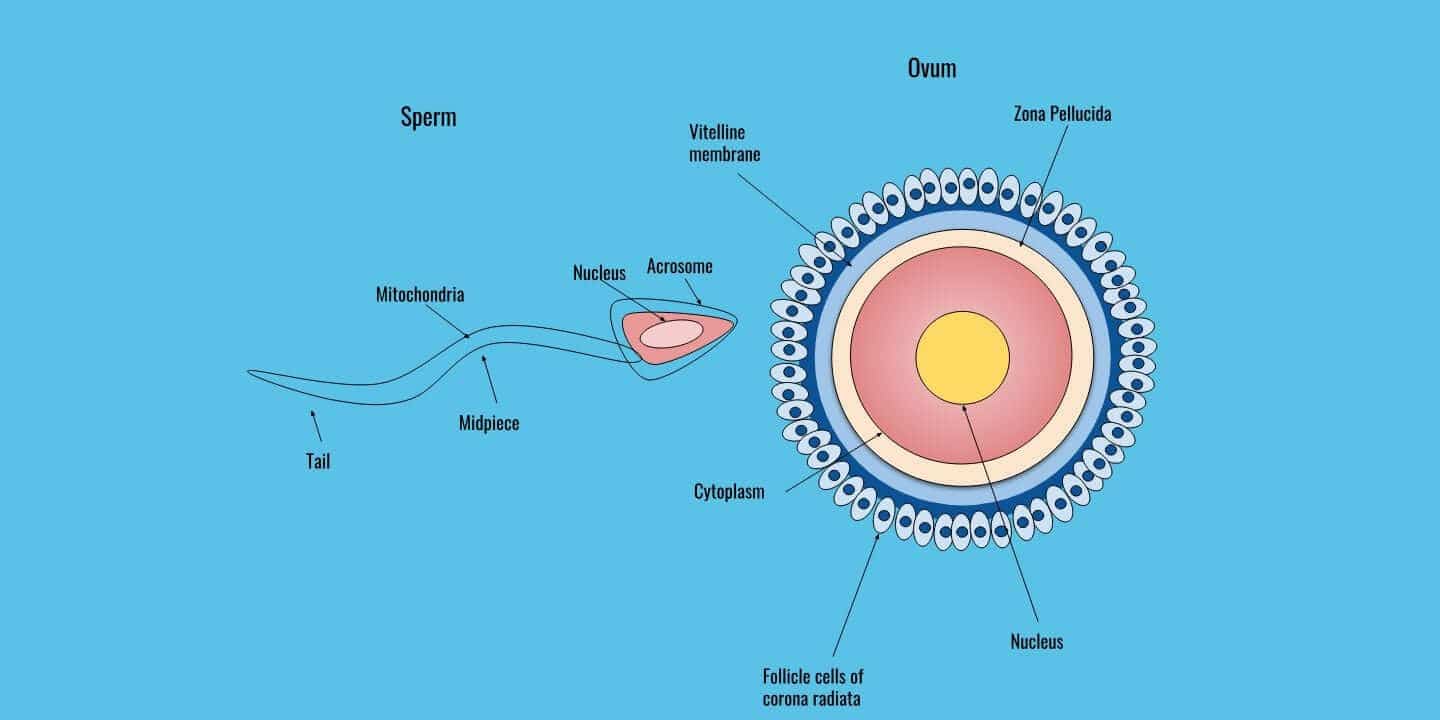 Sperm and Ovum
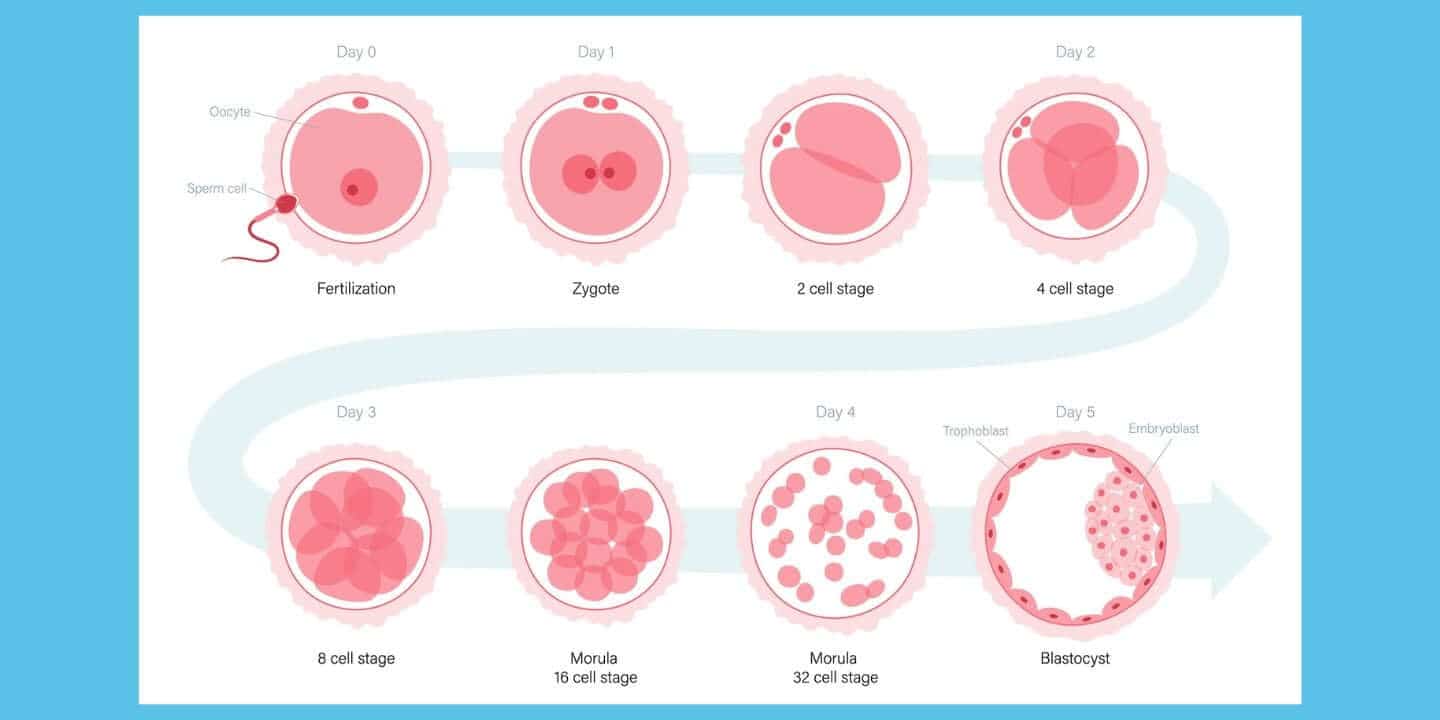
Early Stages: Zygote to Blastocyst
Rapid division followed:
- Zygote → cluster of blastomeres
- Morula (day 3)
- Blastocyst (day 4–5), with inner cell mass (future body) and outer trophoblast (future placenta)
The blastocyst traveled to the uterus, ready for the critical next step.
Implantation: Establishing Home
Around days 5–7, the blastocyst hatched and burrowed into the uterine lining. It evaded maternal immune rejection and tapped into blood supply.
Many embryos fail here—lost before anyone knows they existed. Womb twin survivors succeeded against these odds.
Rapid Transformation: From Primitive Streak to Tiny Human
- Days 13–14: Primitive streak appears—first organization.
- Day 23: Heart beats.
- Weeks 4–6: Limb buds, eyes, ears, swimming movements.
- Week 8: Fully formed features, 7.5 cm long, recognizably human.
A 1959 account described a 57-day embryo swimming vigorously—alive and perfect until removed from its sac.
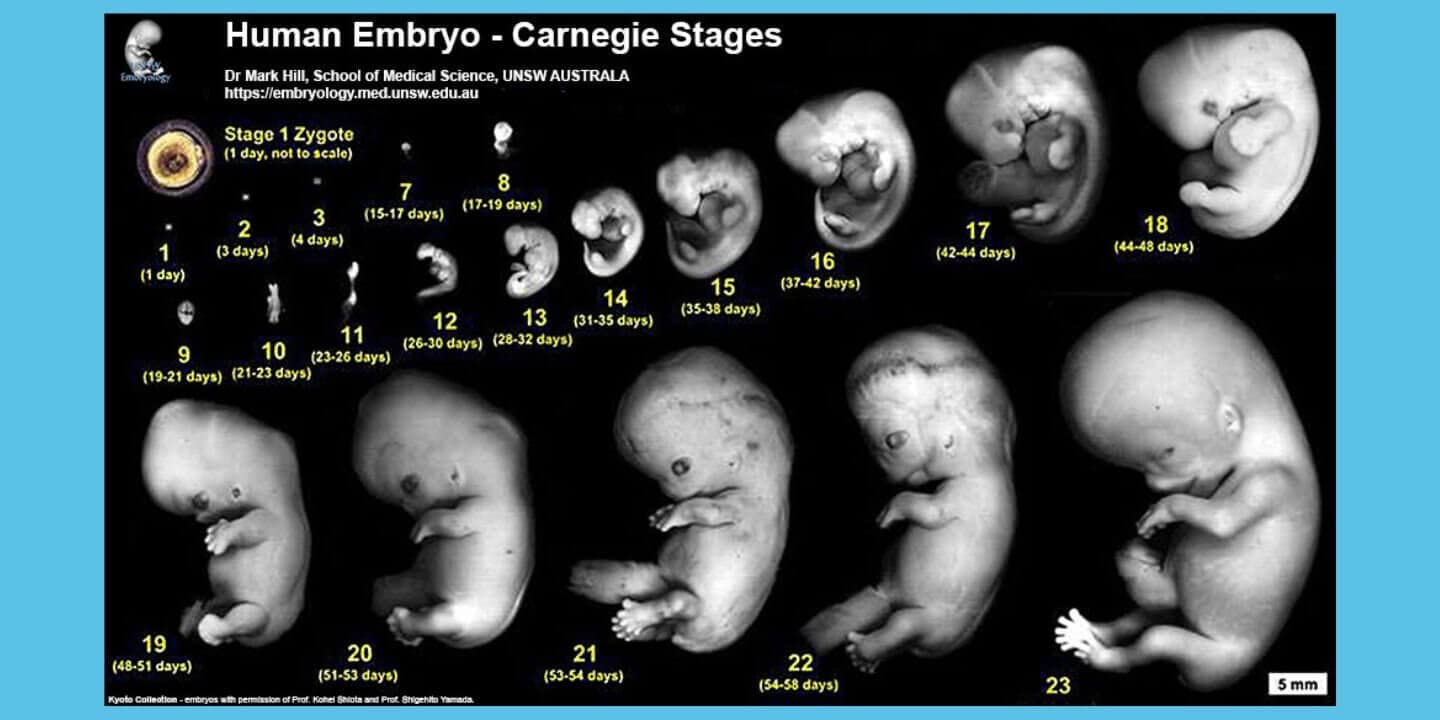 Human Embryo - Carnegie Stages
Why This Matters for Womb Twin Survivors
Hayton writes: “As a womb twin survivor you are already a superior organism because you survived.”
Early pregnancy is a gauntlet of risks. You endured. This foundation explains why many womb twin survivors feel a lifelong sense of loss—because at some point, they were not alone in the womb.
The next chapters explore twin pregnancies and vanishing twins.
If this resonates, explore Womb Twin Survivors by Althea Hayton for deeper understanding.
FAQs
What is a womb twin survivor?
A person whose twin (or multiple) died in utero, leaving them as the sole survivor. Many report psychological effects like unexplained grief or feeling "incomplete."
When does human life begin, according to this chapter?
At conception—the moment sperm and egg fuse to create a unique zygote with its own DNA.
Why is early embryonic loss so common?
Implantation failure, immune rejection, and developmental issues cause many zygotes/embryos to be lost before pregnancy is detected.
How does this relate to twin loss?
Many multiple pregnancies begin but reduce to singleton when one embryo fails to implant or develop fully—creating a womb twin survivor.
Can modern technology show early embryos moving?
Yes—ultrasounds from ~6 weeks reveal heartbeat and movement, confirming historical observations like the 1959 swimming embryo.