Table of Contents
Exploring the breast crawl, primitive reflexes, and the overlooked role of body odors in early infant development
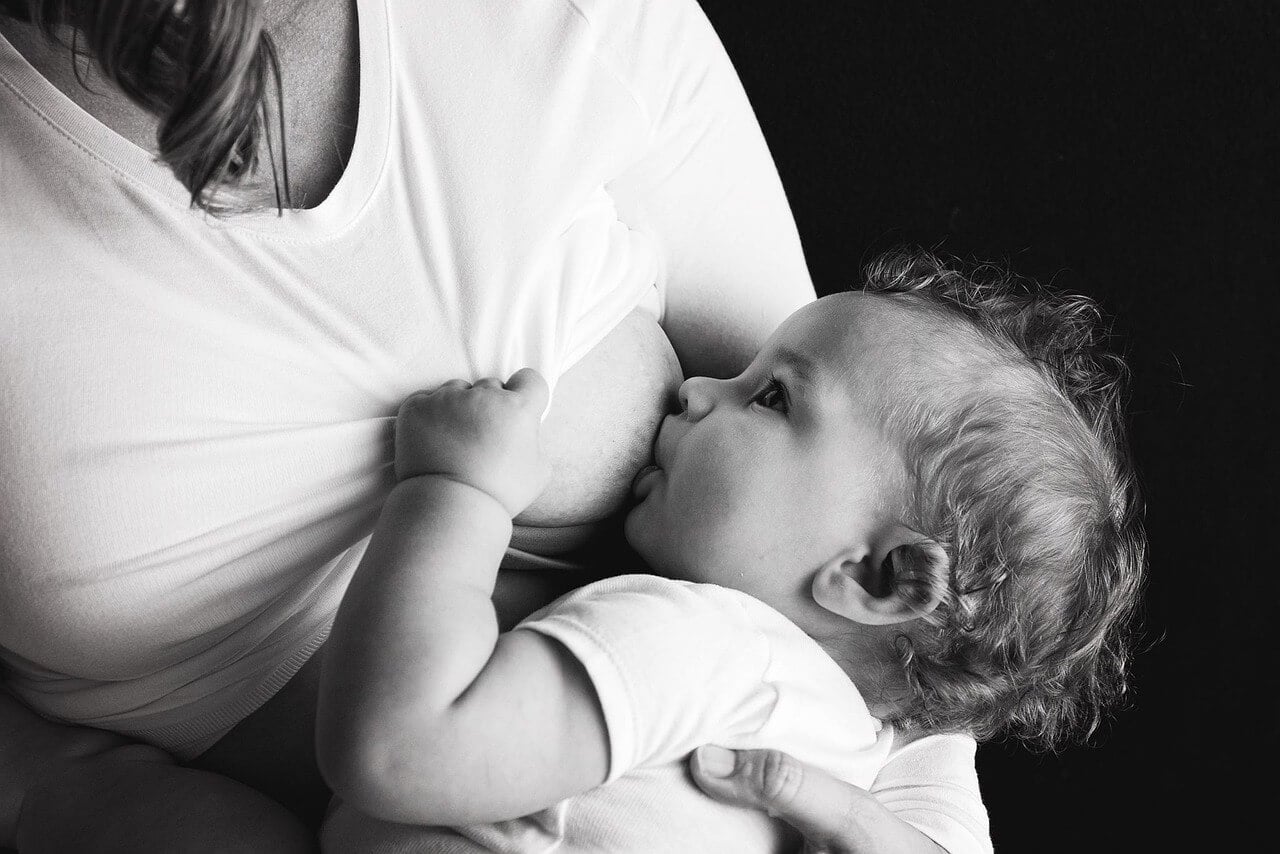
Imagine this: A baby emerges into the world, slick and crying, placed gently on their mother’s bare chest. No one guides their head or positions the nipple. Yet, within minutes, the tiny human begins to move—pushing with their feet, bobbing their head, inching upward with surprising determination. An hour later, they’ve found the breast, latched perfectly, and begun feeding. All on their own.
This isn’t a rare miracle. It’s biology at its most elegant: the breast crawl, powered by primitive reflexes and an exquisite sensitivity to maternal odors. In our modern birthing world—full of bright lights, separations, and interventions—this innate process is often disrupted. But understanding it reveals profound insights into newborn capabilities and why preserving it matters for development.
The Building Blocks: Primitive Reflexes Designed for Survival
Newborns aren’t blank slates. They’re equipped with a suite of neonatal reflexes—automatic responses hardwired for immediate survival, especially feeding.
The star is the rooting reflex: Touch the baby’s cheek or lips, and they turn toward the stimulus, mouth wide, tongue extended. It’s the “search” mechanism, triggering head turning and mouthing to locate the nipple.
Once contact is made, the sucking reflex kicks in—rhythmic, coordinated with breathing and swallowing. Milk in the mouth? The swallowing reflex handles the rest.
These develop in utero (rooting around 32 weeks) and are strongest at full-term birth, fading by 4-6 months as voluntary control takes over. Their presence signals healthy neurological maturation; absence or weakness can flag issues, especially in preemies.
But reflexes alone don’t explain the full magic. They integrate into something bigger.
The Breast Crawl: Nature’s Autonomous Attachment
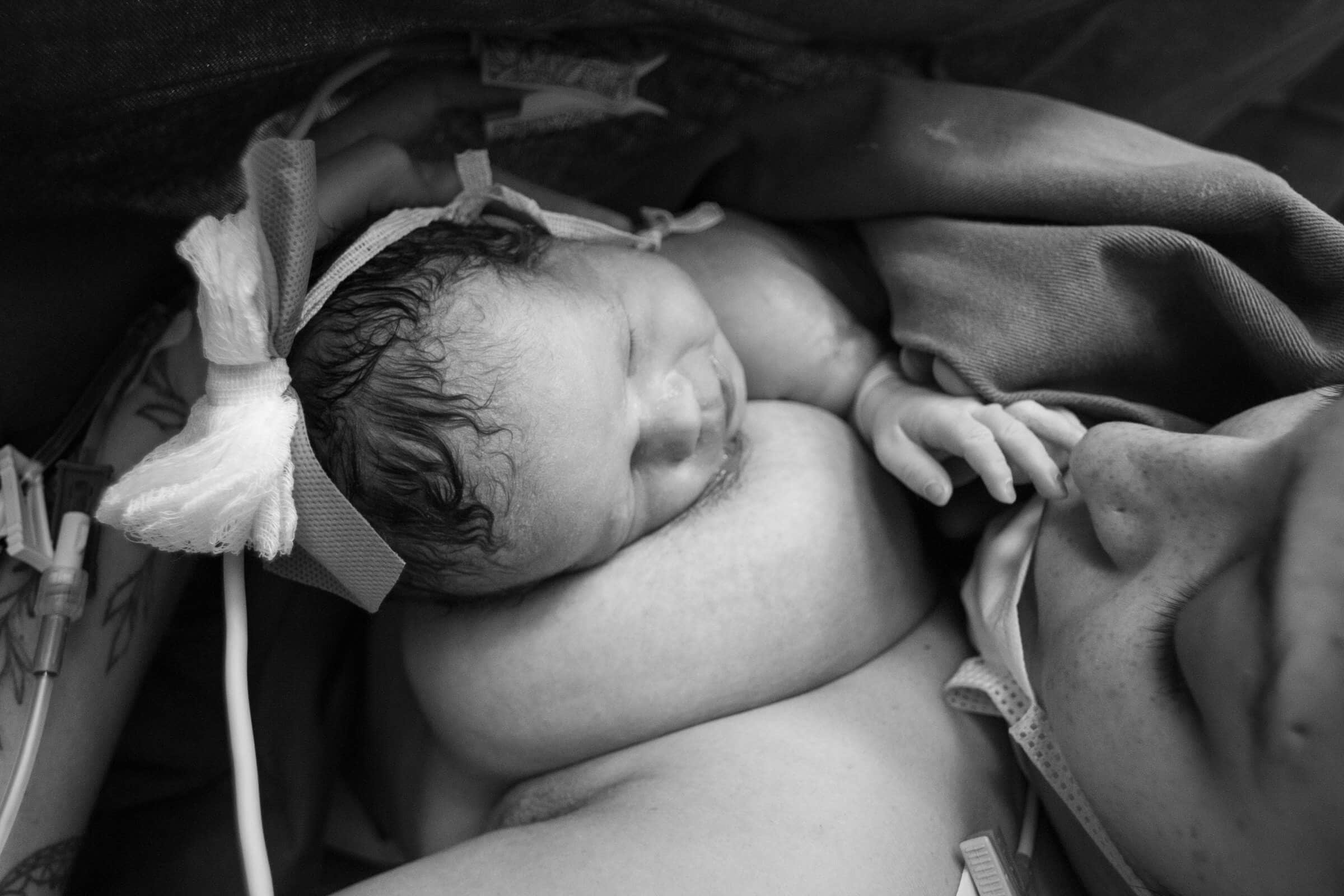
When a newborn is placed prone on the mother’s abdomen or chest immediately after birth—dried but alert, with no routine interruptions—they perform the breast crawl (or newborn self-attachment).
Using rooting, sucking, stepping (leg pushes), and hand-to-mouth movements, the baby crawls upward, often pausing to rest or acclimate. Guided by touch, warmth, and crucially, scent, they reach the nipple, nuzzle, lick, and latch—typically within 30-60 minutes.

Studies (like those by Ann-Marie Widström) show babies who complete this have longer first feeds, better latch quality, and higher exclusive breastfeeding rates in the early days. The process also stabilizes baby’s vitals—temperature, heart rate, respiration—while boosting maternal oxytocin for bonding and placental delivery.
The Unsung Hero: Maternal Body Odors as Olfactory GPS
What pulls the baby northward with such precision? Smell.
The mother’s breasts, especially the areola, feature Montgomery’s glands secreting an oily substance rich in volatiles. Its scent closely resembles amniotic fluid—the familiar “home” smell from the womb. Newborns orient strongly toward it: more head turns, mouth openings, and efficient crawling.
Research (e.g., Varendi et al.) demonstrates:
• Babies exposed to natural breast odor crawl farther with purposeful movements vs. washed breasts or neutral scents.
• Removing odors (by washing) significantly reduces successful self-latching.
• Breast milk itself releases appetitive compounds triggering sucking and licking.
Underarm (axillary) odors play a supporting role—newborns recognize and calm to their mother’s unique scent within hours—but breast/areolar cues are the primary attractant for feeding initiation. Even non-maternal lactating breast odors draw babies initially, but they quickly imprint on mom’s signature blend.
This olfactory guidance integrates with other senses but shines in the low-light, close-range post-birth environment. It’s why guidelines emphasize not washing breasts before skin-to-skin.
Underarm (axillary) odors play a supporting role—newborns recognize and calm to their mother’s unique scent within hours—but breast/areolar cues are the primary attractant for feeding initiation. Even non-maternal lactating breast odors draw babies initially, but they quickly imprint on mom’s signature blend.
Why It All Matters: Beyond the First Feed
These instincts aren’t just “cute.” They’re foundational for development:
• Nutritional & Physiological: Early colostrum intake provides antibodies; efficient latching supports milk supply and growth.
• Neurobehavioral: Skin-to-skin and crawl promote parasympathetic maturity, stress reduction, and sensory integration.
• Emotional: Uninterrupted contact fosters secure attachment, influencing long-term regulation.
• Indicator of Health: Robust reflexes reflect brain readiness; supporting them aids transition to voluntary skills.
Evidence from cohorts shows short-term gains in breastfeeding success and stability, with organizations like WHO and AAP advocating immediate skin-to-skin as standard care.
Yet in many hospitals, routines (suctioning, weighing, bathing) interrupt this window when babies are most alert. The result? More latching struggles, supplementation, and disrupted bonding.
Reclaiming the Golden Hour
As we learn more, the message is clear: Trust the baby. Preserve natural odors, prioritize uninterrupted contact, delay non-essential procedures.
For expectant parents: Discuss birth plans emphasizing this. For society: Normalize physiological birth.
Newborns arrive with superpowers—we just need to let them use them.
What do you think—should skin-to-skin be mandatory post-birth? Share your stories in the comments.
(Based on neonatal reflex literature, breast crawl studies, and olfactory research up to recent reviews.)
Have more questions? Feel free to drop them in the comments—I’m happy to discuss!
FAQs
What exactly is the breast crawl?
The breast crawl (or newborn self-attachment) is an instinctive behavior where a newborn, placed skin-to-skin on the mother’s chest or abdomen right after birth, uses primitive reflexes—rooting, stepping, pushing, and hand movements—to crawl upward, locate the nipple by scent and touch, and latch on their own, usually within 30–60 minutes.
Do all newborns do the breast crawl?
Most full-term, healthy newborns will attempt it when given the opportunity: immediate uninterrupted skin-to-skin contact, alertness, and no separation or strong artificial odors. Preterm babies, those affected by medication, or those separated early may need more support, but the instinct is still present.
Why are maternal body odors so important?
The areolar glands (Montgomery’s glands) secrete scents very similar to amniotic fluid, acting as a familiar “beacon.” These natural odors, along with breast milk volatiles, strongly attract the baby, trigger rooting, and guide efficient crawling and latching. Underarm scents aid recognition and calming but are secondary for feeding initiation.
Should I avoid washing my breasts before birth or skin-to-skin?
Yes—guidelines from WHO and many studies recommend not washing the breasts right before or after birth to preserve these natural attracting scents. Routine bathing or strong soaps can reduce successful self-attachment.
What if we didn’t get immediate skin-to-skin or the breast crawl didn’t happen?
It’s never too late to benefit from skin-to-skin contact. Prolonged skin-to-skin in the first days and weeks still promotes bonding, milk supply, physiological stability, and better breastfeeding. Many babies who miss the immediate window go on to breastfeed successfully with patient support.
How long do these newborn reflexes last?
The rooting reflex is strongest at birth and typically fades by 4–6 months as voluntary control develops. Sucking and swallowing reflexes mature early but also transition to intentional feeding. Their timely appearance and integration are signs of healthy neurological development.
Can babies born by C-section or formula-fed still benefit from these instincts?
Absolutely. The reflexes and scent attraction are innate, not dependent on vaginal birth or breastfeeding. Skin-to-skin is especially valuable after C-sections to aid recovery, stabilize the baby, and support any feeding choice.
What are the main benefits beyond the first feed?
Early instinctive contact supports temperature and heart-rate stability, reduces stress, boosts oxytocin for bonding and milk ejection, improves exclusive breastfeeding rates, and lays foundations for secure attachment and sensory regulation.