Table of Contents
Deep within us lies a core—a sense of self that shapes who we become. When that core is whole, it fuels a healthy ego, letting us connect with others in trust and truth. But what happens when it’s wounded before we even know ourselves? That early injury, struck in the womb or the fragile months after birth, can ripple through a lifetime. It’s called the primal wound—a break in the self so early it blurs the line between mother and child, leaving a scar felt in body and soul. Healing it might mean turning back to those first moments, a reflective journey back toward early experience.
The Roots of the Self
Picture an infant, new to the world, its identity still entwined with its mother. She’s not just a caregiver—she’s the child’s very sense of being, its anchor. If that bond snaps too soon—through separation, loss, or relinquishment—the self takes a hit. This isn’t just about missing a familiar face; it’s a fracture in the child’s essence, a tear in what some call its ideal state. That break, the primal wound, throws off the rhythm of growing up. The ego, meant to bloom steadily, stumbles instead, leaving gaps in how we relate, trust, or even feel whole.
This wound isn’t loud or obvious. It’s primal—pre-verbal, pre-conscious—hitting before a child can name it. The mother isn’t just gone; part of the self vanishes too. It’s a double loss: the first love and a piece of identity, fused in those early days. The child might sense it physically—a nagging incompleteness, like a limb lost—or emotionally, as a rootless drift. It’s not just about family trees; it’s a bodily echo, a whisper that something’s missing.
The False Self Emerges
A child can’t mourn what it can’t grasp. Too young to process the loss, it adapts—building walls to shield against more pain. Out of that primal wound grows a false self, a mask to cope. For some, it’s compliance—quiet, agreeable, a “good” kid hiding the ache. Adults nod, seeing no trouble, missing the silent cry beneath. For others, it’s rebellion—acting out, testing love’s limits, shouting the hurt in ways that land them in trouble. Neither is free. Both are shadows of the true self, driven by a void they can’t name.
This split isn’t rare—it’s a pattern tied to early loss. When the mother doubles as the self, her absence carves deep. The child clings to what’s left, guarding it with a persona that fits the world’s demands. But that mask comes at a cost. The real self—raw, vulnerable—stays buried, its voice muffled by the need to survive. The wound festers unseen, shaping how they see themselves and others, a quiet fracture echoing through years.
Language of Loss
Speech ties us to the world, but the primal wound strikes before words form. It’s a silent grief, felt not spoken. Yet language, in its broadest sense—sound, connection—roots in that early bond. The mother’s voice, her breath, her presence, all weave into the child’s first sense of being. Lose that, and the thread unravels. The wound isn’t just about her—it’s about the air she filled, the resonance she gave. We’re tied to our environment, slaves to the medium of air, and when it shifts too soon, our voice falters.
That loss reverberates. A child cut off adapts to new air, new sounds, but the original hum—the mother’s echo—fades. Some argue this shapes how we speak, hear, even think, molding tongues to their place. The primal wound adds another layer: a break in the self that quiets the soul’s first song. Healing it might mean reclaiming that lost note, tuning back to a time before the rift.
A Path to Healing
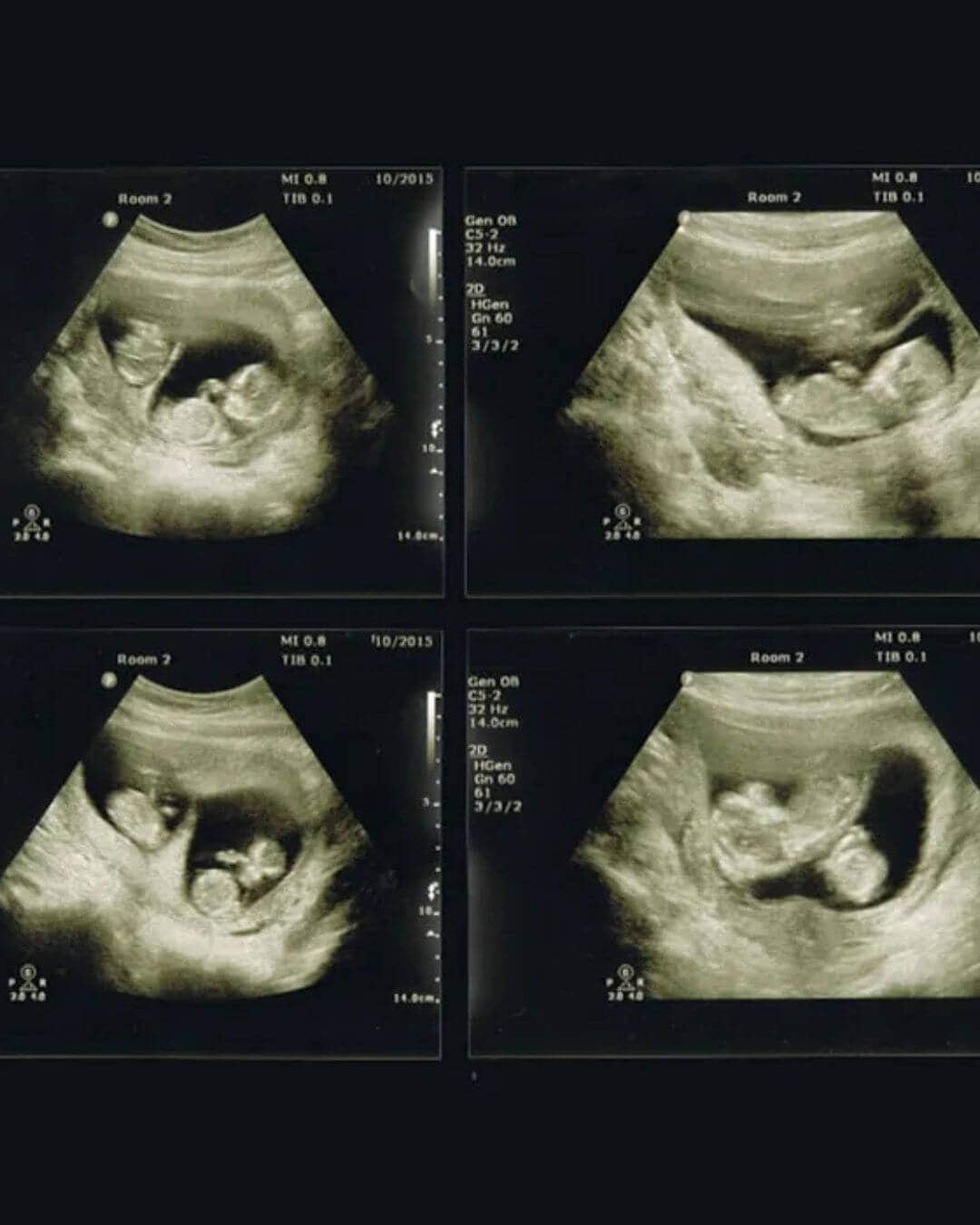
Can the primal wound mend? It starts with seeing it—not as shame, but as a fact of being. The self, though cracked, holds the seed of repair. One way forward lies in memory—reaching back to the womb, to those months when self and mother blurred. Tools like NeuraSonic tap into this, coaxing out whispers from conception to early life. They don’t rewrite the past; they illuminate it, offering a bridge to what was lost. By touching those buried moments, a journey begins—reknitting the self, step by faint step.
This isn’t magic—it’s a nudge. Memories from the womb aren’t crisp films; they’re impressions, sensations, a mother’s heartbeat through water and flesh. Reconnecting might stir the true self awake, loosening the false one’s grip. For some, it’s a feeling of wholeness, a body less at odds with itself. For others, it’s a quiet shift—less drift, more root. The wound stays, but its sting softens, its echo finds a home.
Why It Matters
The primal wound isn’t just one child’s story—it’s a lens on us all. We’re shaped by beginnings we barely recall, tied to others before we know ourselves. When that tie breaks early, it ripples—through ego, through relationships, through life. Understanding it lifts a veil, showing why some feel adrift, why connection can scare. Healing it matters because the self matters—whole or wounded, it’s the core we carry.
Conclusion
The primal wound marks us before we speak, a crack in the self when mother and child are one. It skews the ego, spawns false masks, and leaves a hum of loss—in body, in soul. Yet it’s not the end. By reaching back—through memory, through tools like NeuraSonic—we might mend what broke, reclaiming a piece of who we were. Language starts here, in air and bond, and so does healing—echoing from the womb to the world we make.
Adapted from: The Primal Wound by Nancy Newton Verrier (1993), Chapter 3