Losing a twin before birth leaves a mark you might never see. In Womb Twin Survivors (2011), Althea Hayton unravels this hidden story—sole survivors of twin or multiple pregnancies, including "vanishing twin" cases, carry a quiet grief. Her 372-page work, born from an eight-year study with hundreds of survivors via online surveys, maps a unique psychological profile: fragile selfhood, rocky relationships, a pull to self-sabotage. It’s not rare—10 percent of us might be womb twin survivors, yet only recently could we spot them. With biology, personal tales like Jan’s from pp. 142-143, and a five-stage self-reflection path, Hayton’s book—though out of print—offers a lifeline for survivors, families, and healers.
A Twin’s Early Echo
Life in the womb isn’t solo, even for one. Hayton’s book (pp. 142-143) paints it vivid: as a twin embryo, your neurons sprout fast, making you hypersensitive—hyper-aware. Every twitch from your twin, every womb shift, pings you. Random kicks meet your sac, your placenta, your cord twirling with you—stimulation floods in, teaching you your tiny world. It’s not idle floating; it’s a dance of response, sharper then than now. Losing that twin? It’s a jolt felt before you’re born, a silence that lingers.
Take Jan’s story (p. 143): her mother bled through pregnancy, hemorrhaging by late July, hospitalized a week. “It must have been my twin,” her mom later guessed, unaware then. Jan dreaded that month—every year, a loss hit: a breakup, a job, a upheaval. Asking her mom, she learned of that July trauma, stunned by the echo. Hayton ties this to the womb: a twin’s loss imprints, a pattern survivors replay—unexplained, until it’s named.
Learning in the Dark
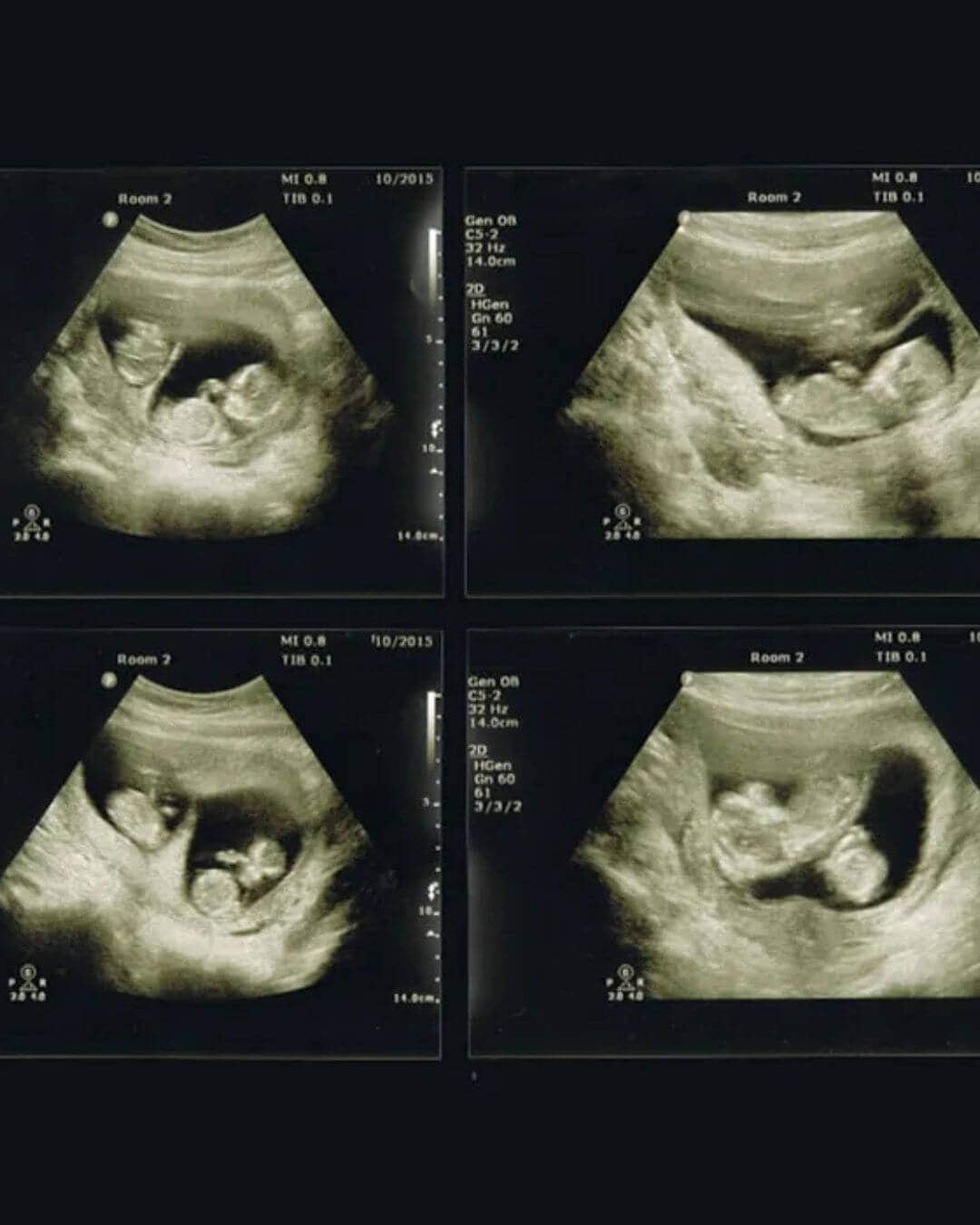
How’d you know back then? Hayton explains (pp. 142-143): discovery learning. Ultrasound glimpses show it—fetuses nudge the cord, kick the placenta, test the sac. The cord’s floppy, the placenta’s firm, the membrane bends but holds. It’s trial and error—random bumps teach what’s what. You bounced, explored, found edges, learned your space. For twins, it’s double—a sibling’s twitch adds to the mix, a constant call-and-response shaping your first lessons.
Then there’s habituation (p. 143): repeat a kick, get a feel, and it sticks. “When I do this, that happens”—a habit forms. A loud noise startles once; by round three, you’re used to it, no flinch. Pregnant moms see it—babies jump at a bang, then settle. For twin survivors, it’s more: your twin’s moves were steady, reliable—until they stopped. That shift, Hayton suggests, seeds distress—something consistent vanished, and you felt it, deep.
A Survivor’s Profile
Hayton’s eight-year dive, detailed in Womb Twin Survivors, sketches an odd breed. Hundreds of survivors answered her call—online forms spilling stories. They’re not typical: grief and loss shadow them, unexplained. Relationships falter—trust’s shaky when your first bond broke. Self’s fragile—identity wobbles without that mirrored half. Self-sabotage creeps in—jobs tank, plans flop, as if echoing that early end. It’s not loud; it’s quiet chaos, a womb-shaped hole.
Jan’s late July curse fits. Her mother’s hemorrhage, her twin’s loss—she didn’t know, but her life did. Yearly upheavals mirrored that prenatal shock, a pattern Hayton’s study flags as common. About 10 percent of us might carry this—vanishing twins slip by, unnoticed till now. It’s not just loss; it’s a hypersensitive start, cut short, rippling out.
Facing the Echo
Hayton doesn’t stop at profiling—she maps a path. Her five-stage self-help path, in the book, guides survivors through reflection. It’s hands-on: feel the grief, face the loss, farewell the twin with a ritual. Just you, tracing back to that womb world. Stories from survivors, like Jan’s, pepper it—raw, real, in their words. Case studies and drawings flesh it out, a 372-page toolkit for the 10 percent and their kin.
It’s not quick. That hypersensitivity, those habits—they’re baked in. But naming it, Hayton argues, lifts the fog. Jan’s stun at her mom’s tale? That’s the start—connecting dots from womb to now. The ritual seals it—a goodbye to a twin never held, freeing what’s stuck. It’s for survivors, sure, but medics, shrinks, families too—anyone touching that hidden 10 percent.
Why It Matters
This isn’t fringe—10 percent’s a crowd, millions maybe. Womb Twin Survivors (2011) matters because it names what’s mute: distress with no source, till you look back. Hayton’s work—eight years, hundreds strong—gives it weight: these aren’t quirks; they’re womb echoes. For pros, it’s a lens; for survivors, a mirror. Jan’s July dread isn’t random—it’s a thread to her twin, a loss she lived before breathing.
The book’s gone—out of print—but its echo lingers. It’s a call: see the unseen, hear the unheard. Survivors aren’t odd; they’re marked, early and deep. Hayton’s path offers a way out—grief faced, twin farewelled, self reclaimed.
Conclusion
Althea Hayton’s Womb Twin Survivors (2011) cracks open a secret: 10 percent of us—sole survivors of twin pregnancies—carry a womb-born grief. From hypersensitive starts to lifelong stumbles, her eight-year study (pp. 142-143) maps it—fragile selves, lost bonds, Jan’s July woes. With a five-stage reflection, it’s a guide to peace for survivors and a wake-up for the rest. A twin’s loss isn’t lost—it’s felt, and healable.