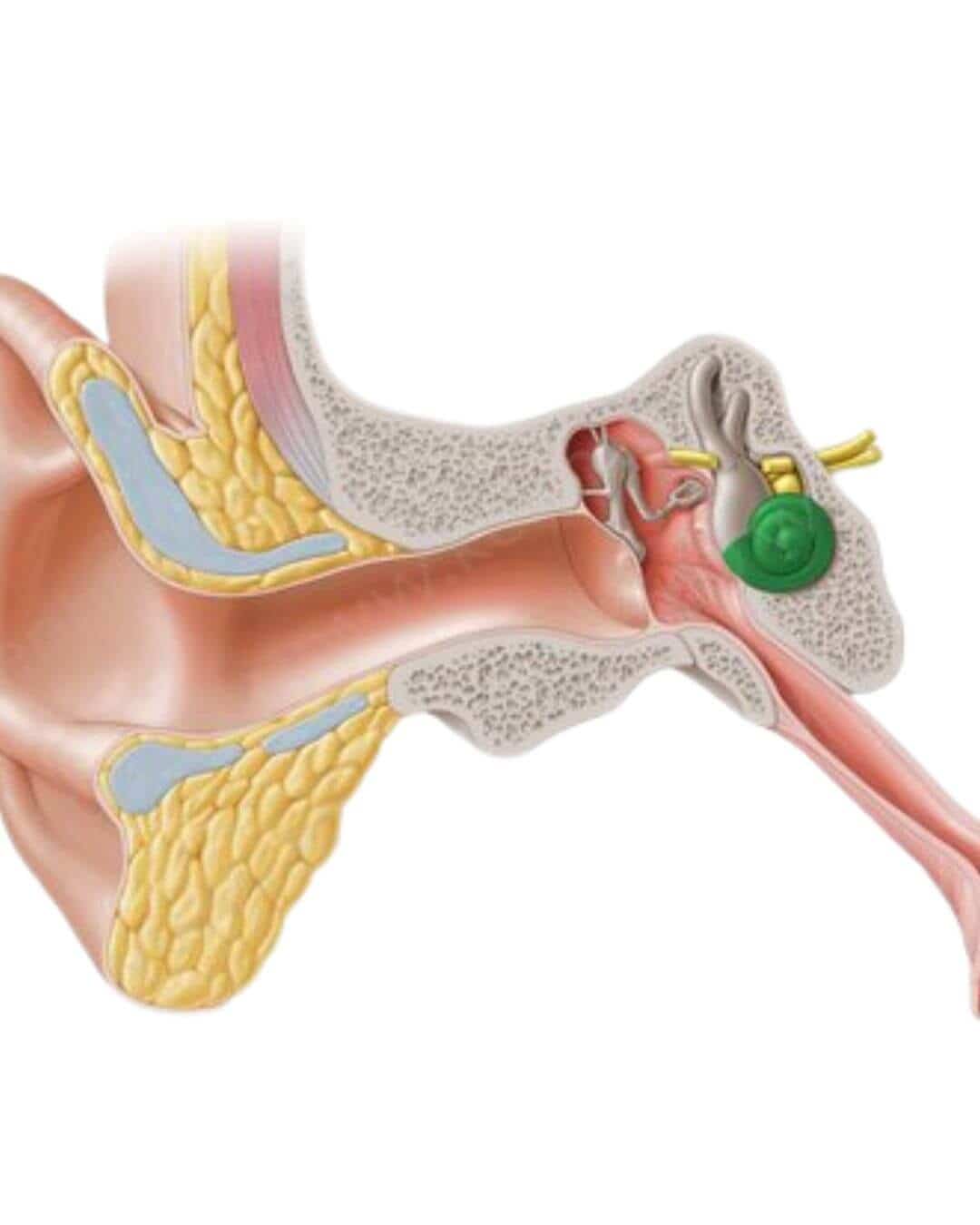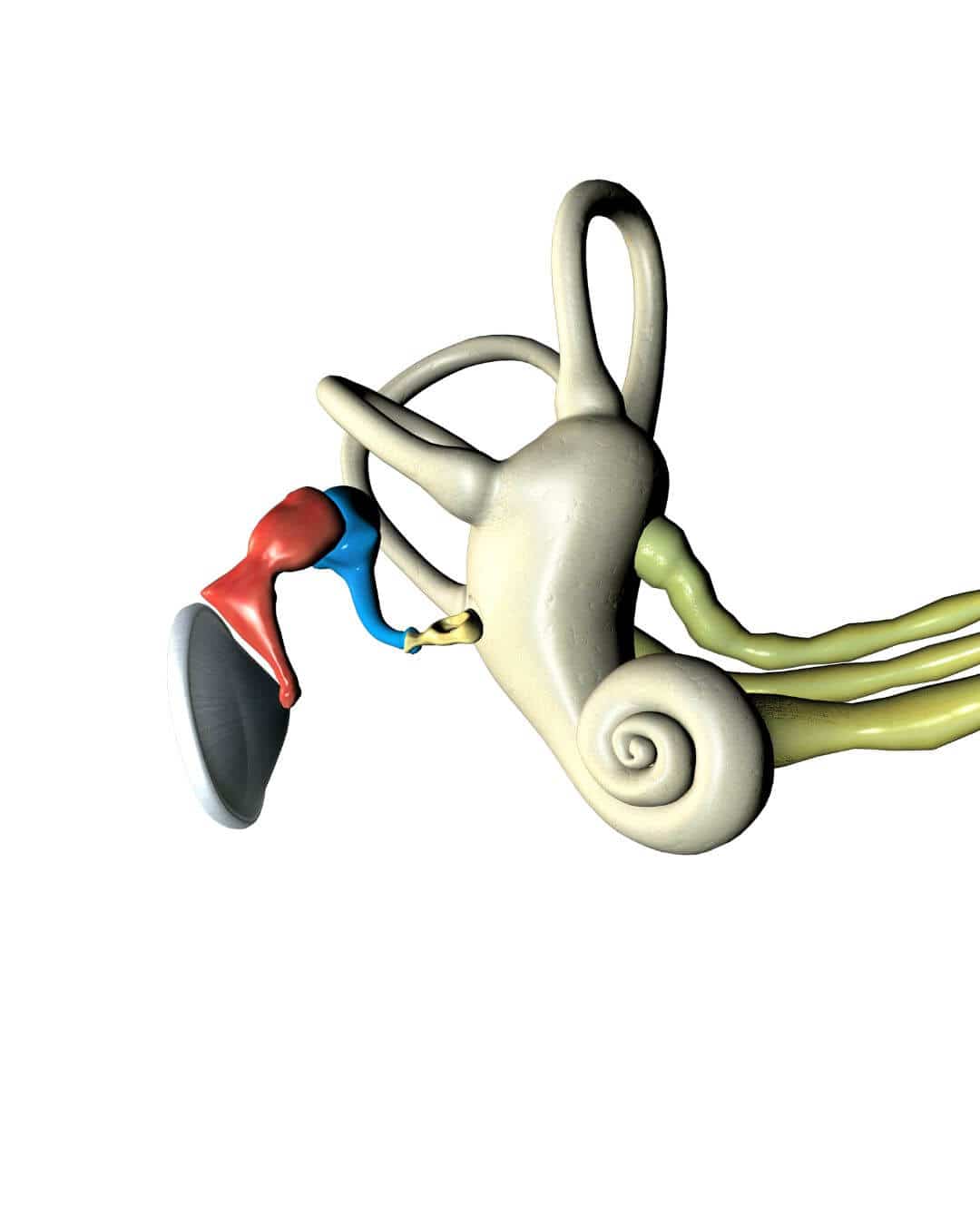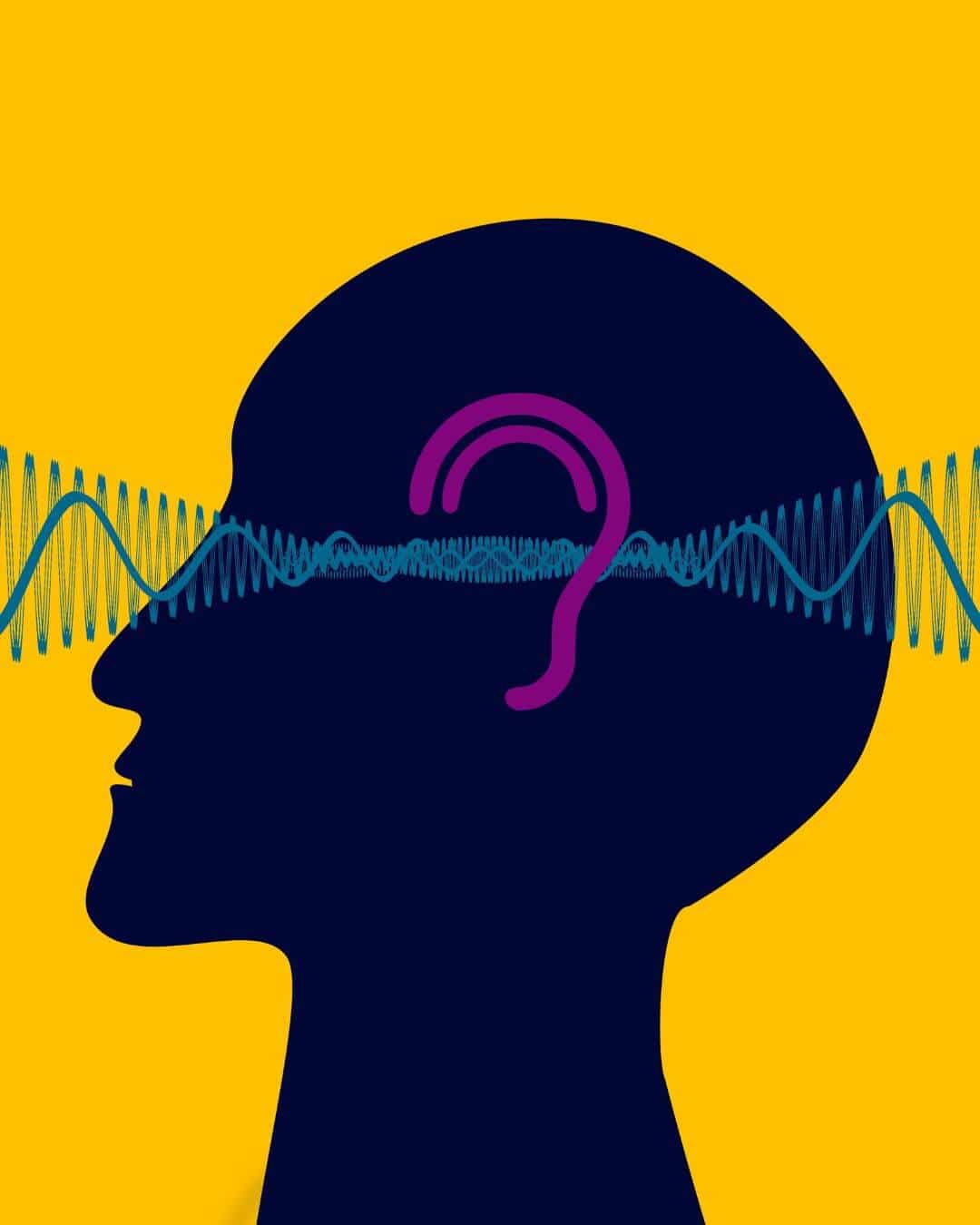
The ear isn’t just a passive listener—it’s a powerhouse, capturing and dissecting sound with a precision that outstrips even the most advanced machines. Beyond merely detecting acoustic pressure, it unravels sound’s layers—pitch, timbre, duration, intensity—shaping how we experience the world in ways both subtle and profound.
A Precision Instrument
At its core, the ear senses variations in air pressure, a skill honed through evolution to track the environment. But it doesn’t stop there. Imagine a rustling leaf or a booming thunderclap—the ear doesn’t just hear; it analyzes. It breaks sound into components: pitch (high or low), timbre (the tone’s texture), duration (how long it lasts), and intensity (loud or soft). This isn’t a simple catch; it’s a symphony of processing, swift and sharp, turning vibrations into meaning faster than any lab tool could dream.
Yet, this brilliance has boundaries. The ear operates within a defined range—roughly 16 to 20,000 cycles per second (Hz)—the so-called audible band. Below this lie infrasonic rumbles, too low to catch; above, ultrasonic hums slip past unnoticed. It’s a sweet spot, evolved to prioritize what matters most for survival and connection, filtering out the chaos of air’s endless tremors.
The Audible Sweet Spot
Within this 16-20,000 Hz range, the ear’s talent shines brightest between 50 and 5,000 Hz—a high-sensitivity zone where it dissects sound with near-perfect clarity. Bass notes below 50 Hz or treble above 5,000 Hz? They’re fuzzier, less distinct, like whispers at the edge of a room. But in that central band, every nuance pops—think a bird’s trill or a friend’s voice cutting through a crowd. This isn’t random; it’s tuned to human needs, from spotting danger to sharing stories.
Sensitivity isn’t uniform across frequencies—it peaks where speech and nature’s cues thrive, forming a lemon-shaped curve of perception. At the edges, sounds fade into silence or blur into discomfort. There’s a lower threshold where quiet becomes inaudible, and an upper limit where loudness turns painful—an elegant balance keeping us attuned without overload.
Decoding Intensity: Loud and Faint
The ear doesn’t just hear pitch—it gauges loudness, from a pin drop to a roar. Intensity, tied to sound’s energy, shapes whether we call it faint or thunderous. But measuring this isn’t simple—raw energy lacks a human scale. Enter psycho-physics: a field blending physics and sensation to quantify what we feel. Scientists crafted the decibel, a unit rooted in how we perceive sound’s strength, not just its physical force.
This starts with a principle: we don’t notice small changes unless they hit a certain jump, proportional to what’s already there. Lift a feather, then add a pebble—you’ll feel it. Add that pebble to a boulder? Barely a blip. For sound, this means each step up in loudness—say, from a whisper to a shout—needs a predictable boost in pressure. The ear logs these leaps, turning a straight climb in energy into a curved ladder of sensation.
Measuring the Unmeasurable
This leap-from-point-to-point idea evolved into a formula: sensation grows with the logarithm of intensity. In practical terms, a sound twice as “loud” isn’t twice the pressure—it’s a tenfold jump, measured in decibels (dB). A 10 dB increase feels twice as loud, a 20 dB jump quadruples it—a scale that fits the ear’s quirky math. Tools like audiometers—think electronic pitch-pipes—map this, testing frequencies and intensities to chart our hearing’s highs and lows.
Conclusion
The ear’s auditory function is a masterclass in perception—sifting pitch, timbre, and intensity within a 16-20,000 Hz playground. From faint rustles to roaring storms, it analyzes with a finesse machines envy, honed by nature to catch what matters. Its sensitivity peaks where human connection thrives, turning sound into a language of survival and beauty. The ear doesn’t just hear: it reveals sound’s secrets, one vibration at a time.