Worms don’t have ears—so how do they hear? A groundbreaking study from the University of Michigan Life Sciences Institute, published on September 22, 2021, in the journal Neuron, reveals that tiny roundworms called Caenorhabditis elegans can sense and respond to airborne sound through their skin. These millimeter-long creatures, widely used in biological research, lack ear-like organs, yet they dodge tones from 100 hertz to 5 kilohertz—a range broader than some animals with ears can catch. This discovery, detailed in the article “Earless worms ‘listen’ through their skin,” flips old assumptions about hearing and opens a new window into how senses evolve across life.
Worms Without Ears
For years, scientists pegged these worms with just three main senses: touch, smell, and taste. Research stretched that list—first to light, despite no eyes, then to body posture during movement. Hearing was the holdout, the missing piece. Most invertebrates, lacking the complex auditory setups of vertebrates or some arthropods, were thought deaf to sound. But this study changes that. When researchers played tones, the worms didn’t just twitch—they bolted, slithering away from the noise. They weren’t feeling vibrations on a surface; they were hearing sound waves in the air, sensing where they came from.
This isn’t a fluke. Experiments ruled out touch as the trick—suspending worms or isolating sound proved they react to what’s airborne, not ground-shaken. The range they detect, 100 Hz to 5 kHz, outstrips some vertebrates, hinting at a knack we didn’t expect. It’s a survival edge, likely honed to dodge predators whose rustles and hums spell danger. The finding, straight from the University of Michigan’s work, suggests hearing isn’t just for the eared—it’s broader, wilder, than we thought.
Skin as a Soundboard
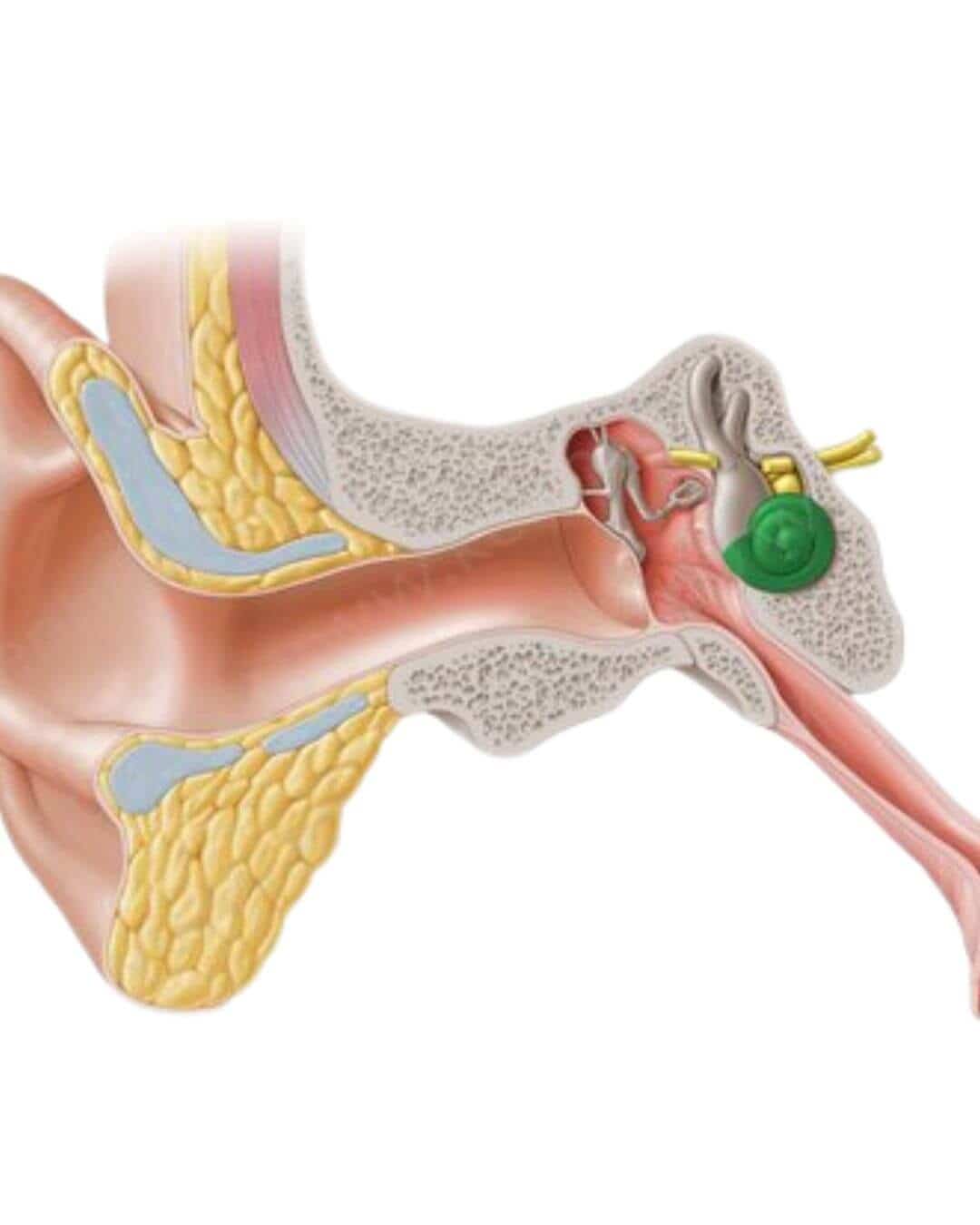
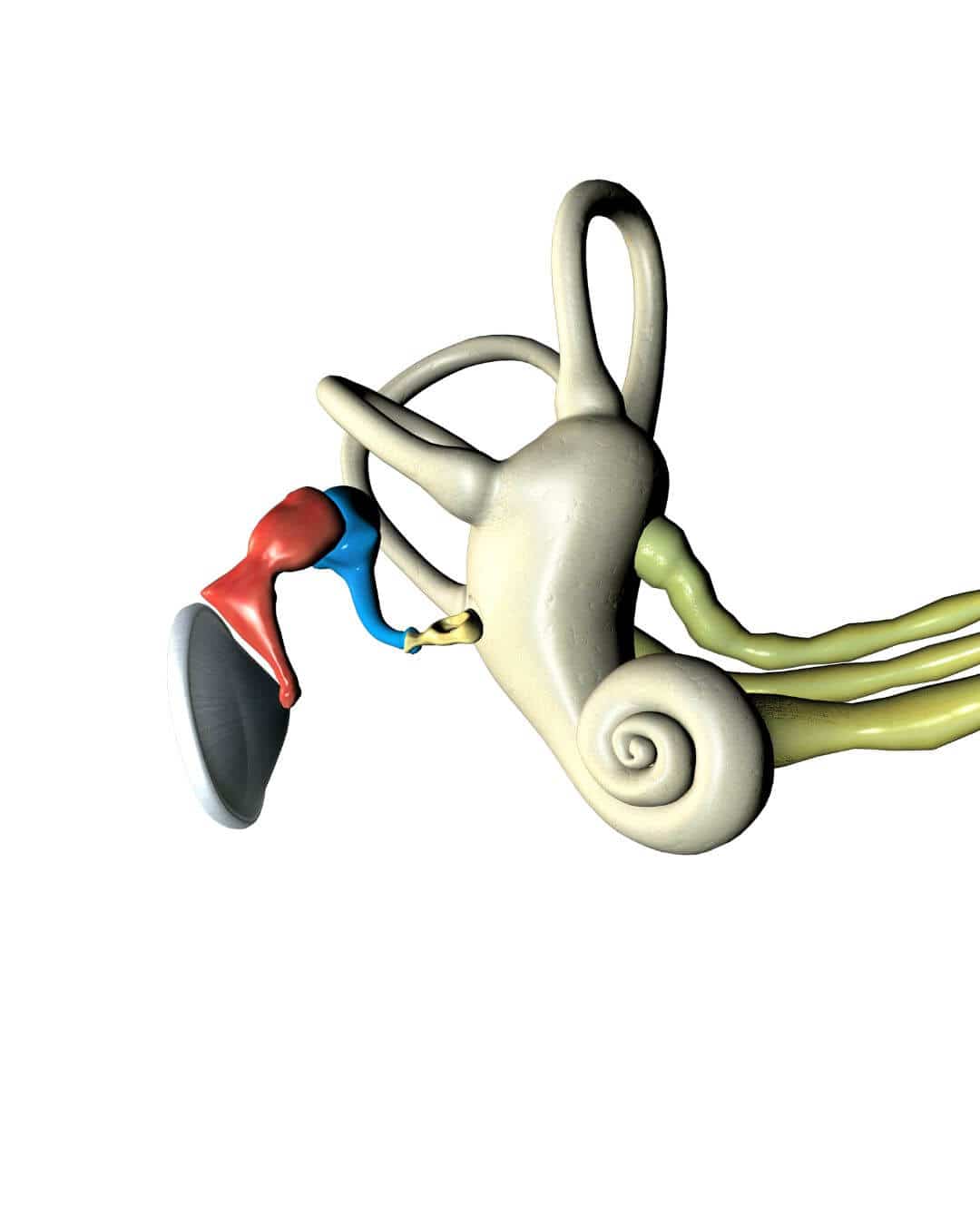
How does an earless worm hear? The answer lies in its skin. Picture it: no drums, no canals—just a soft, fluid-filled body acting like a cochlea, the spiraled ear cavity vertebrates use. Sound waves hit the worm’s skin, ripple through its fluids, and spark nerve signals. Two types of auditory neurons, tied tight to the skin, pick up these vibes. One set’s up front, another elsewhere—when a tone strikes, the worm knows which way to flee based on which neurons fire. It’s a whole-body receiver, turning skin into a listening post.
This setup, detailed in the Neuron article, mirrors the cochlea’s basics—vibrations in fluid triggering nerves—but skips the fancy hardware. The worms’ skin vibrates, the fluid sloshes, and the neurons translate it into action. It’s simple, raw, effective. Researchers see it as a predator radar: many hunters make noise—footsteps, wingbeats—and this lets worms slip away. The study’s tests, playing tones and watching worms dart, confirm it’s sound, not touch, at play—a revelation rooted in their soft, responsive bodies.
A New Hearing Path
This isn’t hearing as we know it. Vertebrates lean on eardrums; arthropods tweak tiny hairs. Worms? They’re a third way. The University of Michigan team points to differences—down to the molecular level—suggesting hearing popped up separately across animal groups. Unlike vision, which might trace to one ancient root, hearing’s a remix, evolving fresh each time. Worms don’t mimic flies or fish; their skin-based system stands alone, a twist in evolution’s tale. The article calls it convergent evolution—same job, different blueprints.
That shift matters. If worms hear this way, what about other soft-bodied critters—flatworms, earthworms, mollusks? The study cracks that door, urging us to rethink who’s deaf and who’s not. It’s not about ears anymore; it’s about what a body can do with sound. The worms’ range—100 Hz to 5 kHz—covers low rumbles to high whines, broader than some eared animals manage. It’s a clue: hearing might lurk in places we’ve ignored, waiting for us to listen.
Why It’s a Big Deal
Why care about worm ears? Because C. elegans is a lab star—simple, see-through, mapped to its last gene. For over 15 years, it’s been a go-to for sensory science, and this seals the set: touch, smell, taste, light, posture, now sound. The Neuron study, as the article notes, makes it a full toolkit for probing how senses work—especially hearing. Those auditory neurons, humming under the skin, are a new frontier. Researchers can tweak genes, trace signals, and unravel what makes sound tick in a brain.
It’s bigger than worms. If hearing evolved多次 (multiple times), we’ve got a live model to compare—vertebrates, bugs, now these wrigglers. The article hints at digging deeper: how do these neurons fire? What genes flip the switch? It’s a launchpad for mechanosensation—how bodies turn pressure, light, sound into action. For science, it’s gold—a creature we thought we knew, surprising us again.
Conclusion
Earless worms don’t just hear—they rewrite the rules. The University of Michigan’s study, laid out in “Earless worms ‘listen’ through their skin” (Neuron, Sept. 22, 2021), shows C. elegans catching airborne sound with their skin, dodging tones like tiny escape artists. It’s not mimicry of our ears or insect tricks—it’s a fresh path, hinting hearing’s evolved anew across life. From predator evasion to lab breakthroughs, these worms turn sound into a full-body act, offering science a new lens on an old sense. No ears? No problem—they’re listening anyway.